
 AI Summary
A goal-based SIP is a structured investing approach where each SIP is linked to a specific financial goal, such as retirement, a child’s education, or buying a home. Instead of investing without direction, goal-based planning helps investors allocate money according to timelines, risk tolerance, and future financial needs. By accounting for factors like inflation, changing life priorities, and income growth, this approach improves investment discipline, reduces emotional decision-making during market volatility, and makes it easier to track progress toward meaningful life goals.
Most investors do not struggle with wanting to invest. They struggle with knowing why they are investing.
Money gets saved. SIPs get started. But after a point, it starts to feel disconnected. There is no clear link between the investment and the life it is meant to support.
This is where goal-based SIP changes the way you think.
Instead of investing randomly, you start investing with a clear purpose. A home. A child’s education. Retirement. Each goal gets its own structure, timeline, and strategy.
And suddenly, investing stops feeling abstract.
On this page
Before You Go Deeper
- Goal-based SIP connects investments to real-life milestones
- It focuses on planning, not just saving
- It helps prioritise and allocate money better
- It brings clarity to long-term decisions
What is a Goal-Based SIP?
A goal-based SIP is not a different product. It is a way of structuring your SIP investments around specific life goals.
Instead of saying “I invest ₹10,000 monthly,” you start saying:
- ₹5,000 for retirement
- ₹3,000 for child education
- ₹2,000 for travel or lifestyle goals
This shift matters because it connects money with purpose.
If you are still exploring SIP basics, understanding what is SIP can help before building goal-based structures.
Why Most Investors Feel Lost Without Goal-Based Planning
There is a common pattern.
- SIP starts with enthusiasm
- Market fluctuates
- Motivation drops
- SIP feels like a random activity
The real issue is not discipline
It is lack of direction.
When investments are not tied to goals, it becomes harder to stay consistent during uncertainty.
For example, when markets fall, an investor without a goal may stop investing. But someone investing for retirement 25 years away sees the situation differently.
To understand consistency better, it helps to revisit how SIP works in different market conditions.
Step-by-Step: How to Plan SIP for Life Goals
Instead of jumping straight into investing, it helps to break it down.
Step 1: Identify your goals
Think in real-life terms:
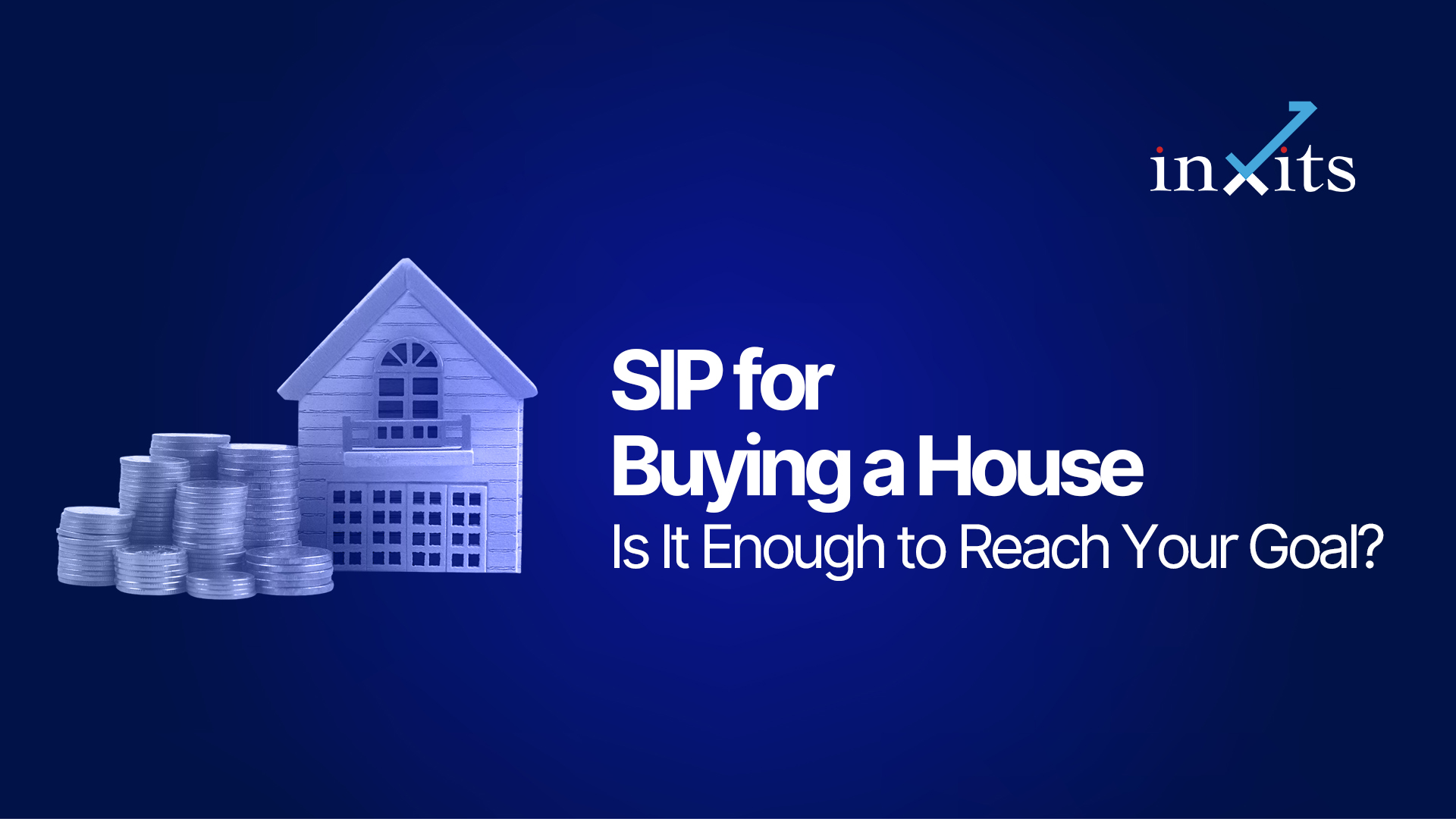
- Buying a home
- Child’s higher education
- Retirement
- Emergency fund
Step 2: Assign timelines
| Goal | Time Horizon |
| Vacation | 2–3 years |
| Car purchase | 3–5 years |
| Child education | 10–15 years |
| Retirement | 20+ years |
Step 3: Estimate required amount
Do not aim for exact precision. A reasonable estimate works better than delay.
Step 4: Decide SIP amount
This is where most investors get stuck.
If you’re unsure how much to allocate, understanding how to choose the right SIP amount based on income gives a practical starting point.
Step 5: Choose the Right Fund Type for Each Goal
- Short-term goals (under 3 years) → Debt or liquid funds for capital preservation
- Medium-term goals (3–7 years) → Hybrid funds for balance
- Long-term goals (7+ years) → Equity funds for growth
How to Calculate SIP Amount for a Goal (With Example)
Let’s say:
- Goal: Child education
- Time: 15 years
- Required amount: ₹25 lakh
Assuming ~12% returns, you may need:
👉 ~₹6,000–₹7,000 monthly SIP
This kind of reverse calculation helps:
- Avoid under-investing
- Set realistic expectations
- Build a goal-linked strategy
How Inflation Affects Your Financial Goals
Inflation plays a critical role in goal-based SIP planning. A goal that costs ₹10 lakh today may cost significantly more in the future.
For example:
- Education costing ₹10 lakh today may require ₹18–20 lakh in 10–12 years
- Retirement expenses rise steadily over decades
This means your SIP amount should not be based on today’s value alone — it should account for future cost. Ignoring inflation can result in a shortfall even if you invest consistently.
How Risk Profile Affects Goal-Based SIP
Different goals require different risk levels.
Invest Smarter.
Grow Confidently.
Your AI-powered SEBI-registered investment advisor — with research you can trust and insights that grow with you.
Download inXits Free
- Conservative investors → prefer stability
- Moderate investors → balance growth + risk
- Aggressive investors → focus on long-term growth
For example:
- Retirement (20+ years) → can take higher equity exposure
- Emergency fund → should prioritise safety
Aligning SIP with your risk profile ensures you can stay invested during market volatility.
Real-Life Scenario: How Goal-Based SIP Changes Thinking
Let’s take Priya, 31, a marketing manager in Ahmedabad.
Earlier, she was investing ₹12,000 monthly without a clear plan.
After restructuring:
- ₹5,000 → Retirement (25 years)
- ₹4,000 → Child education (15 years)
- ₹3,000 → Travel fund (5 years)
What changed?
- She understands why she is investing
- She does not panic during market dips
- She tracks progress goal-wise
That clarity improves investment behaviour — reducing panic during market dips — more than any strategy ever could.
Goal-Based SIP vs Regular SIP
| Aspect | Regular SIP | Goal-Based SIP |
| Approach | Generic investing | Purpose-driven |
| Clarity | Low | High |
| Motivation | Fluctuates | Strong |
| Decision-making | Reactive | Structured |
Goal-based SIP does not replace SIP. It improves how SIP is used.
If you are comparing SIP structures, exploring types of SIP helps you understand different formats that can be used within goal planning.
Where Step-Up and Flexible SIP Fit Into Goals
Goal-based planning is not just about starting SIP. It is about adapting it.
Step-Up SIP for long-term goals
As income increases, contributions should ideally increase too. This is where step-up SIP becomes useful.
Flexible SIP for uncertain income
If income is irregular, flexibility matters more than fixed commitment. In such cases, flexible SIP may be more suitable.
What Happens When Your Goal Timeline Changes
Life is not static. Goals shift.
- Delay in goal → SIP can be reduced
- Earlier goal → SIP needs to increase
- Change in priorities → reallocation required
Regular review ensures your SIP remains aligned with real life.
Common Mistakes in Goal-Based SIP Planning
Even with good intent, mistakes happen.
Watch out for:
- Setting unrealistic goals
- Ignoring inflation
- Not reviewing SIP regularly
- Mixing all goals into one investment
Goal-based planning works best when it is reviewed periodically, not set once and forgotten.
How inXits Helps You Turn Goals Into Structure
Understanding goal-based SIP is one step. Translating it into a working plan is where most investors get stuck.
At inXits, advisors help break down financial goals into:
- Clear timelines
- Realistic investment amounts
- Structured SIP allocation
Instead of generic investing, the focus shifts to goal-aligned planning.
Conclusion
Goal-based SIP is not about investing more. It is about investing with clarity.
When each investment has a purpose, decisions become easier. Market fluctuations feel less stressful. And long-term planning becomes more realistic.
Most importantly, it connects your money to your life, not just your portfolio.
If your current investments feel scattered or unclear, it may be time to organise them around your goals.
A structured conversation with an advisor can help map your SIPs to actual life outcomes. If you want to explore how your current investments align with your goals, start your goal-based investment planning and bring clarity to your financial decisions.
Disclaimer
Investments in securities markets are subject to market risks. Read all related documents carefully before investing.
inXits is a SEBI-registered investment adviser (Registration No. INA000020369). This article is for educational purposes only and does not constitute personalised investment advice.
Registration granted by SEBI, membership of BSE, and certification from NISM in no way guarantee the performance of the intermediary or provide any assurance of returns to investors.
Invest With Purpose
Get Personalized Guidance
Himani Barot, CFP, is a Principal Officer at inXits with 4+ years of experience in portfolio management, investment advisory, and comprehensive financial planning. As a Certified Financial Planner, she helps clients navigate complex financial goals with structured, personalised strategies.
FAQs
What is goal-based SIP in simple terms?
Goal-based SIP is a structured approach where each SIP is connected to a specific life goal — such as buying a home, funding a child’s education, or building a retirement corpus. Instead of investing in a single fund, each goal gets its own SIP with a defined amount and timeline.
How does inflation affect SIP goals?
Inflation increases the future cost of your goals. For example, a ₹10 lakh goal today may require ₹18–20 lakh in 10–12 years. Without adjusting your SIP for inflation, your final corpus may fall short despite consistent investing.
How do I calculate SIP amount for a goal?
You estimate your goal amount, timeline, and expected return. For example, to achieve ₹25 lakh in 15 years at 12% returns, you may need around ₹6,000–₹7,000 monthly SIP. Online SIP calculators can help refine this estimate.
Why is goal-based investing important?
Goal-based investing gives your money a clear purpose and timeline, which improves long-term consistency. For example, investing for a child’s education in 15 years creates a defined target, making you less likely to stop SIPs during market fluctuations. This clarity helps maintain discipline and better financial decision-making over time.
How do I start goal-based SIP?
Start by identifying your key financial goals, such as retirement, education, or buying a home. Assign a realistic timeline and estimate the future cost, considering inflation. Then decide a monthly SIP amount for each goal and choose suitable funds based on duration—equity for long-term and debt for short-term goals.
Can I use multiple SIPs for different goals?
Yes, using multiple SIPs for different goals is a recommended approach. For example, you can invest ₹5,000 for retirement and ₹3,000 for education separately. This structure keeps your investments organised, allows better tracking, and ensures that changes in one goal do not affect others.
Is goal-based SIP better than regular SIP?
Goal-based SIP is more structured than a regular SIP because each investment is linked to a specific outcome. While a regular SIP builds general wealth, a goal-based SIP focuses on achieving defined milestones like retirement or education, making it easier to track progress and stay committed over time.
How often should I review my SIP goals?
Reviewing your SIP goals once a year is generally sufficient. However, you should also review them after major life events such as a salary increase, job change, or new financial responsibilities. Regular reviews ensure your SIP amount and allocation remain aligned with your evolving goals and financial situation.