 AI Summary
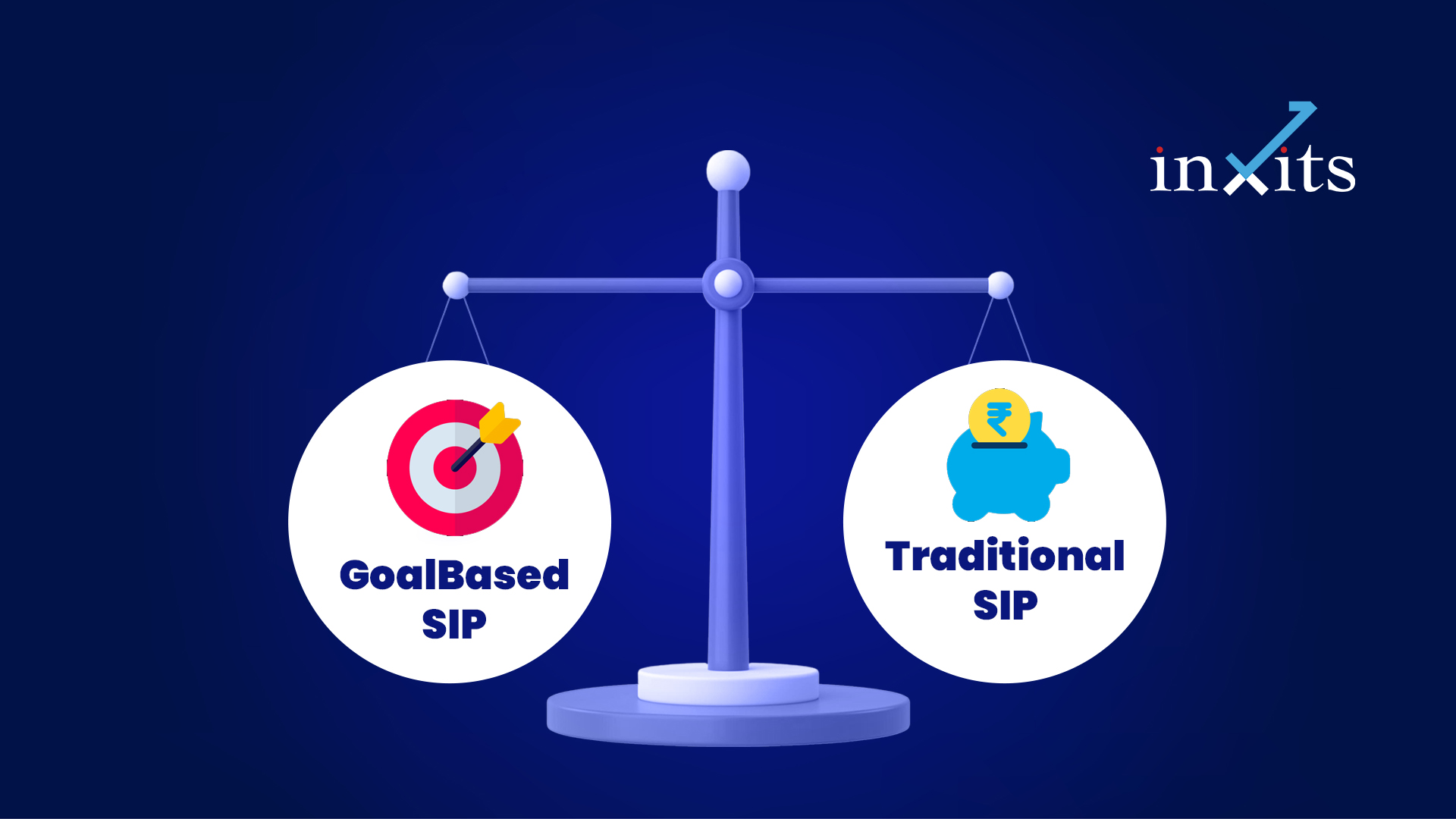
A goal-based SIP and a traditional SIP may use the same investment method, but they differ significantly in purpose and structure. A traditional SIP focuses on investing a fixed amount regularly, often without linking it to a specific financial objective, whereas a goal-based SIP connects each investment to a defined life goal such as retirement, a child's education, or buying a home. The article explains that goal-based investing can improve discipline, reduce emotional reactions during market volatility, and provide greater clarity about why you are investing. While traditional SIPs can be a good starting point for beginners, goal-based SIPs help investors align their money with long-term aspirations, making it easier to stay committed and make more informed financial decisions over time.
Understanding goal-based SIP vs traditional SIP can transform how you invest. Most investors start with good intentions but never define the “why” behind each rupee — and that gap costs them consistency over time.
You pick an amount, choose a fund, and begin investing. But after a while, something feels off.
There is no clear connection between the money you are investing and the life you are trying to build.
That is the real difference between traditional SIP and goal-based SIP. One focuses on doing SIP. The other focuses on why you are doing it. But after a while, something feels off.
There is no clear connection between the money you are investing and the life you are trying to build.
That is the difference between traditional SIP and goal-based SIP. One focuses on doing SIP. The other focuses on why you are doing it.
On this page
What this will help you understand
- The real difference between traditional and goal-based SIP
- Why many investors lose direction over time
- Which approach suits different types of investors
- How to shift from random investing to structured planning
What is a Traditional SIP?
A traditional SIP is the most common way people invest.
- Fixed amount every month
- Usually invested in one or two funds
- No specific goal attached
Example:
- ₹10,000 monthly SIP in a mutual fund
That’s it.
If you are new, understanding what is SIP helps build the base.
The problem?
It lacks context.
You are investing, but you may not know for what.
What is a Goal-Based SIP?
A goal-based SIP connects each investment to a specific life objective.
Instead of one SIP, you break it down.
Example:
- ₹5,000 → Retirement
- ₹3,000 → Child education
- ₹2,000 → Short-term goals
This adds purpose to investing.
If you want a deeper breakdown, exploring goal-based SIP planning helps understand how this structure works.
Core Difference: Activity vs Purpose
| Aspect | Traditional SIP | Goal-Based SIP |
| Approach | Invest regularly | Invest with purpose |
| Clarity | Low | High |
| Motivation | Can drop | Usually stronger |
| Decision-making | Reactive | Structured |
Why Traditional SIP Often Feels Incomplete
Many investors start with a traditional SIP.
But over time:
- SIP continues without direction
- Market fluctuations create doubt
- Motivation weakens
The hidden issue:
There is no emotional connection to the investment.
When there is no goal, it is easier to stop.
To understand consistency better, it helps to revisit how SIP works over long periods.
How Goal-Based SIP Changes Investor Behaviour
Goal-based investing does something powerful.
It changes how you react to markets.
Example:
If markets fall:
- Traditional SIP investor → “Should I stop?”
- Goal-based investor → “My goal is 15 years away”
Result:
- Better discipline
- Less emotional decision-making
- More clarity
Real-Life Scenario: Same SIP, Different Mindset
Let’s take two investors.
Ajay (Traditional SIP)
- ₹10,000 monthly SIP
- No specific goal
Stops SIP after market fall
Meera (Goal-Based SIP)
- ₹10,000 split across goals
- Retirement + education + travel
Continues SIP despite market fluctuation
What changed?
Not the amount.
The mindset.
When Traditional SIP Still Works
Traditional SIP is not wrong.
Invest Smarter.
Grow Confidently.
Your AI-powered SEBI-registered investment advisor — with research you can trust and insights that grow with you.
Download inXits Free
It works when:
- You are just starting
- You want simplicity
- You are building initial discipline
It acts as a starting point.
When Goal-Based SIP Becomes Important
As your financial life evolves, structure becomes important.
It suits:
- Long-term planners
- Investors with multiple goals
- People seeking clarity and control
How to Convert Your Traditional SIP to Goal-Based in 3 Steps
Step 1: List Your Financial Goals with Timelines
Start by writing down your major financial goals and when you want to achieve them.
Examples:
- Retirement – 2040
- Child’s education – 2032
- Home down payment – 2028
This creates clarity and helps you understand what your investments are actually meant to support.
Step 2: Calculate the Required Monthly SIP for Each Goal
Once goals are defined, estimate how much monthly investment is needed for each one.
Using a SIP calculator helps you avoid guesswork and creates realistic investment planning.
This makes your SIP structure practical instead of random.
Step 3: Match Each SIP to the Right Fund Type
Not every goal should use the same mutual fund strategy.
Choose funds based on timeline and risk profile:
- Equity funds → 15+ years
- Balanced funds → 5–10 years
- Debt funds → Under 3 years
This improves both discipline and suitability.
The goal is not just investing more — it is investing with purpose.
Can You Combine Both?
Yes, and many investors do this naturally.
Example:
- Start with traditional SIP
- Gradually convert into goal-based structure
You can also use different SIP formats depending on goals.
For example, scaling long-term goals using step-up SIP can help align with income growth.
Common Mistake to Avoid
Many investors stay in traditional SIP for too long.
Result:
- Investments lack direction
- Goals remain unclear
- SIP becomes mechanical
If you want to avoid behavioural mistakes, exploring SIP mistakes that reduce returns can help identify gaps.
A Simple Self-Test
Ask yourself:
- Do I know what my SIP is for?
- Can I link each SIP to a goal?
- Do I know how much I need for each goal?
If not, your SIP may still be traditional.
Have a question about whether your SIP is aligned with actual life goals or just running on autopilot? Talk to a mutual fund advisor — a conversation with a qualified advisor, no forms, no wait.
How inXits Helps You Move from Random to Structured Investing
Understanding the difference is one step. Implementing it is another.
At inXits, advisors help investors:
- Convert SIP into goal-based structure
- Align investments with timelines
- Avoid scattered allocation
This helps transform investing into a purposeful system.
Conclusion
Traditional SIP helps you start. Goal-based SIP helps you stay on track. The difference is not in the investment method, but in the clarity behind it.
When your investments are linked to real-life outcomes, decisions become easier and consistency improves.
If your SIP feels disconnected from your goals, it may not need replacement. It may need restructuring.
A clear investment framework often brings more confidence than increasing the amount. If you want to align your SIP with actual life goals, start structuring your investments around goals for better clarity and direction.
Disclaimer
Investments in securities markets are subject to market risks. Read all related documents carefully before investing.
inXits is a SEBI-registered investment adviser (Registration No. INA000020369). This article is for educational purposes only and does not constitute personalised investment advice.
Registration granted by SEBI, membership of BSE, and certification from NISM in no way guarantee performance of the intermediary or provide any assurance of returns to investors.
Align Your SIPs With Your Goals
Build My Goal-Based Plan
Himani Barot, CFP, is a Principal Officer at inXits with 4+ years of experience in portfolio management, investment advisory, and comprehensive financial planning. As a Certified Financial Planner, she helps clients navigate complex financial goals with structured, personalised strategies.
FAQs
What is the difference between goal-based SIP and traditional SIP?
Traditional SIP focuses on investing regularly, while goal-based SIP links investments to specific goals.
Which is better: goal-based SIP or traditional SIP?
Goal-based SIP offers more clarity and structure, especially for long-term planning.
Can I convert traditional SIP into goal-based SIP?
Yes, you can restructure your SIP by assigning goals and reallocating investments.
Is goal-based SIP more complicated?
It requires planning, but it improves clarity and discipline.
Do beginners need goal-based SIP?
Beginners can start with traditional SIP and gradually move towards goal-based planning.
Does goal-based SIP improve returns?
It improves consistency and decision-making, which can influence long-term outcomes.