 AI Summary
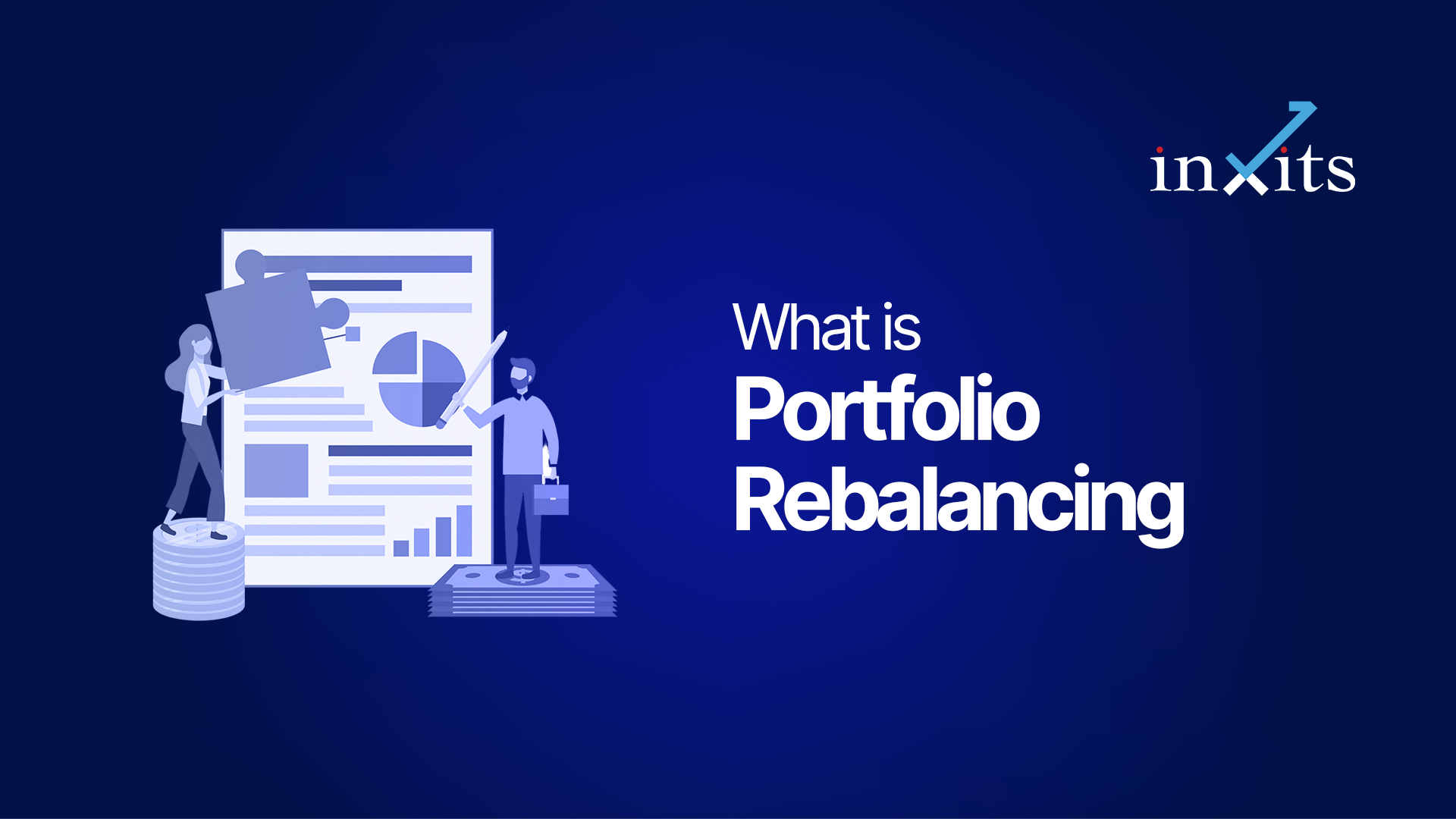
Portfolio rebalancing is the process of adjusting your investments to bring them back in line with your original asset allocation and risk profile. Over time, market movements can cause certain asset classes, such as equity, debt, or gold, to grow disproportionately, changing the risk level of your portfolio without any active decision on your part. Rebalancing helps maintain discipline, manage risk, and ensure your investments remain aligned with your financial goals and time horizon. Investors can rebalance by selling overweight assets, redirecting new SIP contributions, or allocating fresh investments toward underweighted categories. While rebalancing is often reviewed every 6 to 12 months, the focus should remain on maintaining the intended portfolio structure rather than reacting to short-term market movements. Proper rebalancing also involves considering factors such as taxation, exit loads, and transaction costs before making changes.
Most investors begin with a sensible plan.
Maybe it is 70% equity and 30% debt. Maybe it is a retirement-focused SIP built for the next 20 years. At the start, the allocation feels clear and manageable.
Then markets move.
Equity funds perform strongly, debt funds remain steady, and slowly the original balance changes without much notice. A portfolio meant for moderate risk quietly becomes more aggressive than intended.
This is where portfolio rebalancing becomes important.
Many investors ignore this because growth feels positive. If one part of the portfolio is doing well, reducing it feels uncomfortable. But portfolio rebalancing is not about stopping returns. It is about keeping your investments aligned with your goals, risk tolerance, and time horizon.
When done properly, rebalancing creates discipline instead of emotional decision-making.
On this page
Before You Read On
A few quick points will make the rest easier to follow.
- Portfolio rebalancing means restoring your original asset allocation
- It helps manage risk, not predict market direction
- Rebalancing can happen through buying, selling, or redirecting new SIPs
- Most investors review portfolio balance every 6 to 12 months
What Is Portfolio Rebalancing in Mutual Funds?
Portfolio rebalancing is the process of adjusting your investments so they return closer to your original target asset allocation.
For example, if your plan was 60% equity and 40% debt, a strong equity market may push that mix to 75% equity and 25% debt. Rebalancing means bringing it back closer to your original structure.
The purpose is simple: risk control.
A portfolio is usually designed around your financial goals and comfort with risk. When one asset class grows too much, your risk level changes even if you did not actively make that choice.
If you are still building your basics, understanding what is a mutual fund makes this concept easier to follow because rebalancing starts with knowing what role each investment plays.
Is Portfolio Rebalancing the Same as Switching Mutual Funds?
Not always.
Many investors assume rebalancing means replacing one mutual fund with another. That is not necessarily true.
Sometimes rebalancing simply means moving your next few SIP instalments toward debt funds instead of equity funds. Sometimes it means partial redemption from one category and fresh allocation into another.
It is a portfolio decision first, not a product decision first.
How Portfolio Rebalancing Works in Practice
There are usually three practical ways investors rebalance:
- Sell part of the overweight asset and buy the underweight one
- Use fresh investments to strengthen weaker allocation areas
- Use planned withdrawals from overweight assets first
For example:
- Target allocation: 50% equity, 30% debt, 20% gold
- Current allocation: 65% equity, 20% debt, 15% gold
In this case, some equity exposure may be reduced while debt or gold allocation is increased.
This becomes easier when investors already understand how to diversify mutual fund portfolio, because diversification and rebalancing support each other.
A diversified portfolio spreads risk. Rebalancing keeps that spread intact over time.
Can SIP Investors Rebalance a Portfolio Without Selling Funds?
Yes, and often this is the smarter option.
Suppose your equity allocation has become too high, but you are still investing monthly. Instead of redeeming immediately, you may simply direct future SIP contributions toward debt or hybrid funds.
This helps reduce tax impact and avoids unnecessary exit load.
Aakash, a salaried professional in Pune, started with a balanced portfolio for long-term wealth creation. After two strong years in equity markets, his allocation shifted heavily toward equity. Instead of selling immediately, he redirected six months of fresh SIPs into debt funds and gradually restored balance.
That approach was simpler and more tax-efficient.
When Should You Rebalance Your Mutual Fund Portfolio?
There is no fixed date that works for everyone.
Most investors review portfolio rebalancing every 6 to 12 months. Some also use threshold-based rules, such as rebalancing when allocation changes by more than 5% from the original plan.
Invest Smarter.
Grow Confidently.
Your AI-powered SEBI-registered investment advisor — with research you can trust and insights that grow with you.
Download inXits Free
There are two common methods:
| Method | How It Works |
| Time-Based | Review every 6 or 12 months |
| Threshold-Based | Rebalance when allocation shifts beyond a chosen percentage |
| Event-Based | Review after major life events – job change, marriage, retirement |
Both approaches work. The important part is consistency.
Many investors only review their portfolio during market corrections. That usually leads to emotional decisions instead of planned ones.
Should You Rebalance During a Market Fall?
Not automatically.
When markets fall sharply, many investors want to reduce equity exposure immediately. That reaction is understandable, especially when portfolio values drop quickly.
But rebalancing should come from your asset allocation plan, not fear.
In some situations, rebalancing during a market correction may actually mean adding to equity because your equity allocation has fallen below the intended target.
That feels uncomfortable, but discipline often does.
Not sure whether your current portfolio is actually balanced or just growing unevenly? A financial advisor at inXits can help review your asset allocation against your goals and risk profile before unnecessary switching creates extra cost.
Exit Load, Capital Gains Tax & Costs to Check Before Rebalancing
Rebalancing is useful, but it should not become excessive.
Selling investments may trigger:
- Exit load
- Capital gains tax
- Platform-related transaction costs in some cases
Frequent unnecessary switching can quietly reduce long-term efficiency.
This is why investors should first check whether rebalancing can happen through fresh allocation instead of immediate selling.
Understanding exit load in mutual funds is especially useful before redeeming recently purchased units, particularly in SIP-based investing.
Tax also matters.
Redeeming equity funds before the required holding period may create a different capital gains impact compared to long-term holdings. A portfolio review should include these practical details, not just allocation percentages.
How Structured Guidance Helps When Rebalancing Feels Unclear
Portfolio rebalancing sounds simple on paper, but most investors struggle with the same question: how much change is actually needed?
Should you shift funds now? Should you wait for the next review? Should new SIPs handle the adjustment instead?
The answer depends on your financial goals, not market headlines.
At inXits, advisors help investors review asset allocation, fund overlap, and risk exposure based on actual life goals rather than short-term market movement. A retirement portfolio and a home-purchase portfolio should not follow the same rebalancing logic.
If your current mix feels confusing after reading this, the issue is often structure, not returns. Connect with a SEBI registered financial advisor at inXits for a portfolio review built around your risk profile and investment horizon.
Conclusion
Portfolio rebalancing is the process of bringing your investments back to the allocation you originally planned. It helps maintain discipline when markets naturally shift your portfolio over time.
The purpose is not to predict the next market move. It is to make sure your investments still match your goals, risk tolerance, and time horizon.
Sometimes rebalancing means selling a little. Sometimes it simply means directing new investments differently. In both cases, the goal stays the same: clarity over reaction.
Understanding portfolio rebalancing helps investors avoid becoming too aggressive during market highs or too defensive during market falls.
If you are unsure whether your current allocation still fits your long-term plan, working with an investment advisor can help bring structure before the imbalance becomes a bigger problem.
Disclaimer
Investments in securities markets are subject to market risks. Read all related documents carefully before investing.
inXits is a SEBI-registered investment adviser (Registration No. INA000020369). This article is for educational purposes only and does not constitute personalised investment advice.
Registration granted by SEBI, membership of BSE, and certification from NISM in no way guarantee performance of the intermediary or provide any assurance of returns to investors.
Is Your Portfolio Still Balanced?
Check Now
Himani Barot, CFP, is a Principal Officer at inXits with 4+ years of experience in portfolio management, investment advisory, and comprehensive financial planning. As a Certified Financial Planner, she helps clients navigate complex financial goals with structured, personalised strategies.
FAQs
What is portfolio rebalancing in simple terms?
Portfolio rebalancing means adjusting your investments so they return closer to your original target allocation. If equity grows too much compared to debt, rebalancing helps restore balance and keeps your risk level aligned with your financial goals.
How often should portfolio rebalancing be done?
Many long-term investors review portfolio rebalancing every 6 to 12 months. Some also use a threshold rule, such as rebalancing when allocation changes by more than 5% from the original plan.
Is portfolio rebalancing suitable for SIP investors?
Yes. SIP investors can rebalance by directing future investments toward underweighted asset classes instead of immediately selling existing holdings. This often reduces tax impact and avoids unnecessary exit load.
Does portfolio rebalancing reduce returns?
Not necessarily. In strong bull markets, rebalancing may feel like slowing returns because you trim outperforming assets. However, its real purpose is managing risk and maintaining financial discipline over the long term.
What are the risks of not doing portfolio rebalancing?
Without rebalancing, one asset class may dominate your portfolio and increase risk beyond your comfort level. A retirement portfolio meant to stay balanced may quietly become too aggressive or too conservative.
Is portfolio rebalancing different from diversification?
Yes. Diversification means spreading investments across asset classes. Rebalancing means maintaining that spread over time after market movements change your original allocation.
Can a salaried person do portfolio rebalancing without selling funds?
Yes. One practical approach is using fresh monthly SIP investments to improve weaker allocation areas instead of redeeming existing funds. This often reduces unnecessary tax and exit load.
Should I rebalance my portfolio during market corrections?
Only if your asset allocation has changed meaningfully. Rebalancing during a correction should follow your financial plan, not panic. Sometimes it may even mean increasing equity exposure rather than reducing it.