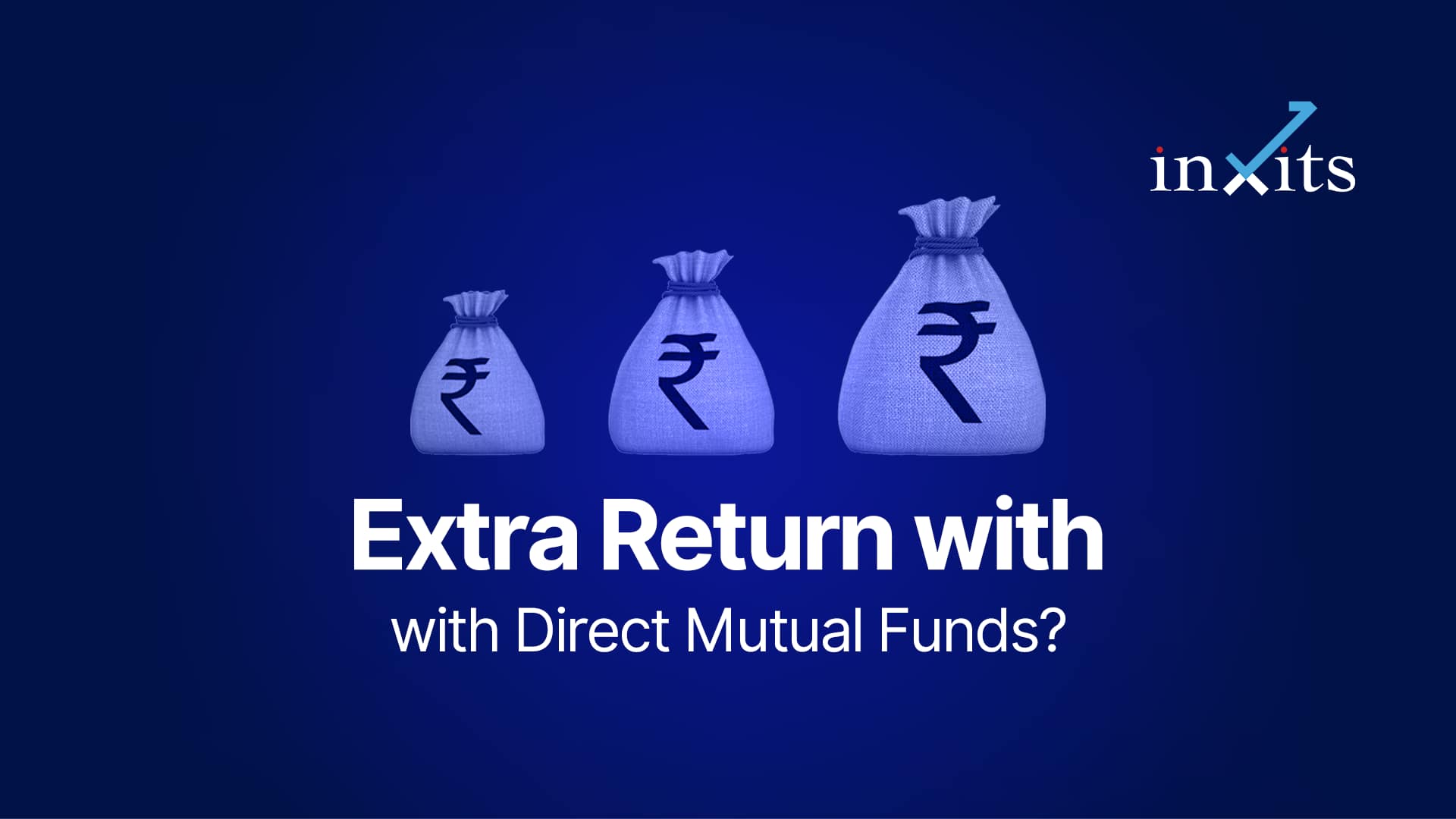
Direct mutual funds are often discussed as a way to improve returns by reducing costs. Since these plans do not include distributor commissions, they carry a lower expense ratio compared to regular mutual funds. Over time, this cost difference can lead to slightly higher returns.
But how much extra return can you realistically expect from direct mutual funds? And is the difference always meaningful?
This blog explains the return difference in simple terms, what affects it, and why cost savings should be viewed alongside planning and discipline.
Why Direct Mutual Funds Cost Less
The main reason direct mutual funds may deliver higher returns is lower expenses, not better investments.
- Direct plans do not pay distributor commissions
- Regular plans include these commissions in the expense ratio
- The underlying portfolio remains exactly the same
Because expenses are deducted daily, even a small difference in expense ratio can compound over time.
Also read: What Are Direct Mutual Funds?
Understanding the Expense Ratio Difference
In many equity mutual funds:
- Regular plans may have an expense ratio higher by around 0.5% to 1%
- Direct plans remove this additional cost
This difference may look small in one year, but its impact becomes clearer over long investment periods.
How Much Extra Return Can Direct Plans Deliver
There is no fixed or guaranteed extra return. However, historically, direct plans tend to show slightly higher NAV growth than regular plans over the long term.
The difference usually:
- Is gradual, not immediate
- Becomes visible over 5 to 10 years
- Depends on fund category and holding period
Direct plans do not outperform because of skill. They outperform only because of lower costs.
A Simple Illustration (Conceptual)
Assume two investors invest in the same mutual fund:
- One through a regular plan
- One through a direct plan
Both funds earn the same gross return.
The only difference is expense ratio.
Over long periods, the investor in the direct plan may see a higher final value due to reduced annual costs. This is the compounding effect of lower expenses.
This difference matters more for long-term investments such as SIPs.
Does This Mean Everyone Should Choose Direct Mutual Funds
Not necessarily.
Direct mutual funds reward:
- Long holding periods
- Consistent investing
- Disciplined behaviour
However, lower cost alone does not protect investors from:
- Poor fund selection
- Overexposure to equity
- Panic decisions during market volatility
This is where many investors misunderstand the idea of “extra return.”
Where Many Investors Lose More Than They Save
Some investors save on expense ratio but lose more due to:
- Frequent switching
- Stopping SIPs during market falls
- Chasing short-term performance
- Poor asset allocation
In such cases, the benefit of direct plans can be completely offset by behavioural mistakes.
Why Planning Still Matters Even with Direct Funds
Direct mutual funds work best when combined with:
- Clear asset allocation
- Periodic portfolio review
- Long-term goal alignment
This is why many investors using direct plans still consult a mutual fund advisor for guidance, even if they execute investments on their own.
Good planning often matters more than marginal cost savings.
When Extra Return Is Not Just About Cost
Want clarity on whether direct mutual funds are really helping you earn more?
Many investors focus only on cost savings but overlook structure, allocation, and review. If you are unsure whether your direct mutual fund portfolio is aligned with your goals, a second opinion can help.
Investors often seek a mutual fund financial advisor to review portfolios, SIP structure, and long-term strategy. Platforms like inXits provide clarity-focused advisory support, helping investors understand whether their direct mutual fund choices are actually improving outcomes, without pushing product changes.
Direct Mutual Funds and SIP Investments
For long-term SIP investors, lower expense ratios can have a more visible impact. Over many years, reduced costs may result in better accumulation.
That said, SIP success depends equally on:
- Staying invested during volatility
- Increasing contributions over time
- Maintaining allocation discipline
A sip investment service combined with periodic review often delivers better consistency than cost savings alone.
Direct Funds vs Regular Funds: What Matters More
| Factor | Direct Mutual Funds | Regular Mutual Funds |
| Expense ratio | Lower | Higher |
| Portfolio | Same | Same |
| Advisory support | Not included | Available |
| Behavioural guidance | Self-managed | Supported |
| Extra return potential | From lower cost | Depends on discipline |
Extra return from direct funds is real, but it is incremental, not transformational.
Should You Focus Only on Extra Return
Extra return should not be the only reason to choose direct plans.
The better question is:
- Are your investments structured correctly
- Are you managing risk properly
- Are you staying invested during market stress
Many investors who search for a reliable mutual fund advisory firm are not chasing extra return, but clarity and confidence.
Conclusion
Direct mutual funds can deliver slightly higher returns over time due to lower expenses. For long-term, disciplined investors, this cost advantage can compound meaningfully.
However, extra return from direct plans is not automatic. It depends on correct fund selection, proper asset allocation, and investor behaviour. Saving on costs is helpful, but avoiding mistakes is equally important.
Investors who want to understand whether direct mutual funds are truly working in their favour often benefit from structured guidance. Advisory support focused on planning and review can help ensure that the pursuit of extra return does not come at the cost of poor decisions.
FAQs
1. Do direct mutual funds always give higher returns
They may show slightly higher returns over time due to lower expenses, but returns are market-linked.
2. How much extra return can I expect from direct plans
There is no fixed number. The difference depends on expense ratio and holding period.
3. Are direct mutual funds risk-free
No. Market risk remains the same as regular plans.
4. Do I need a mutual fund advisor if I invest directly
Many investors still seek guidance for planning, allocation, and review.
5. Are direct mutual funds better for SIPs
They can be cost-efficient for long-term SIPs if the investor stays disciplined.
Mandatory SEBI Warning & Disclaimer
Investment in securities market are subject to market risks. Read all the related documents carefully before investing.
Registration granted by SEBI, membership of BSE and certification from NISM in no way guarantee performance of the intermediary or provide any assurance of returns to investors.
The securities quoted above are for illustration only and are not recommendatory.