 AI Summary
Mutual funds in India come in various categories, each designed for different risk appetites and investment horizons. Equity funds focus on long-term growth and carry higher risk, debt funds aim for stability with relatively lower risk, while hybrid funds combine both equity and debt to balance growth and stability. Other categories such as index funds, liquid funds, ELSS, and arbitrage funds cater to specific investment needs, ranging from passive investing and short-term parking of funds to tax-saving opportunities. Choosing the right mutual fund depends on your financial goals, investment horizon, and comfort with market fluctuations rather than simply chasing higher returns.
Mutual funds are popular in India because they offer different ways to invest based on how much risk an investor is willing to take and how long they plan to stay invested. Not every mutual fund carries the same level of risk or return expectation. Some are designed for stability, while others are meant for long-term growth with higher ups and downs.
Understanding the types of mutual funds in India and their risk-return profiles helps investors choose options that match their comfort level and financial goals.
On this page
How Risk and Return Work in Mutual Funds
Risk and return usually move together. Funds that invest more in equities tend to have higher risk, while funds that invest mainly in debt instruments usually carry lower risk.
Before choosing any mutual fund, it is important to understand:
- How much fluctuation you can handle
- How long you can stay invested
- Why you are investing
These three factors play a key role in deciding the right fund category.
What Does Time Horizon Mean
Time horizon means how long you plan to keep your money invested before you need it. Different mutual fund categories suit different time periods.
Here is a simple guide for beginners:
- Liquid Funds: 1 day to 3 months
- Debt Funds: 1 to 3 years
- Hybrid Funds: 3 to 5 years
- Equity Funds: 5 years or more
- Index Funds: 5 years or more
- ELSS Funds: Minimum 3 years due to lock-in
Choosing a fund that does not match your time horizon can lead to stress and poor decisions during market movement.
Risk-O-Meter Overview for Mutual Funds
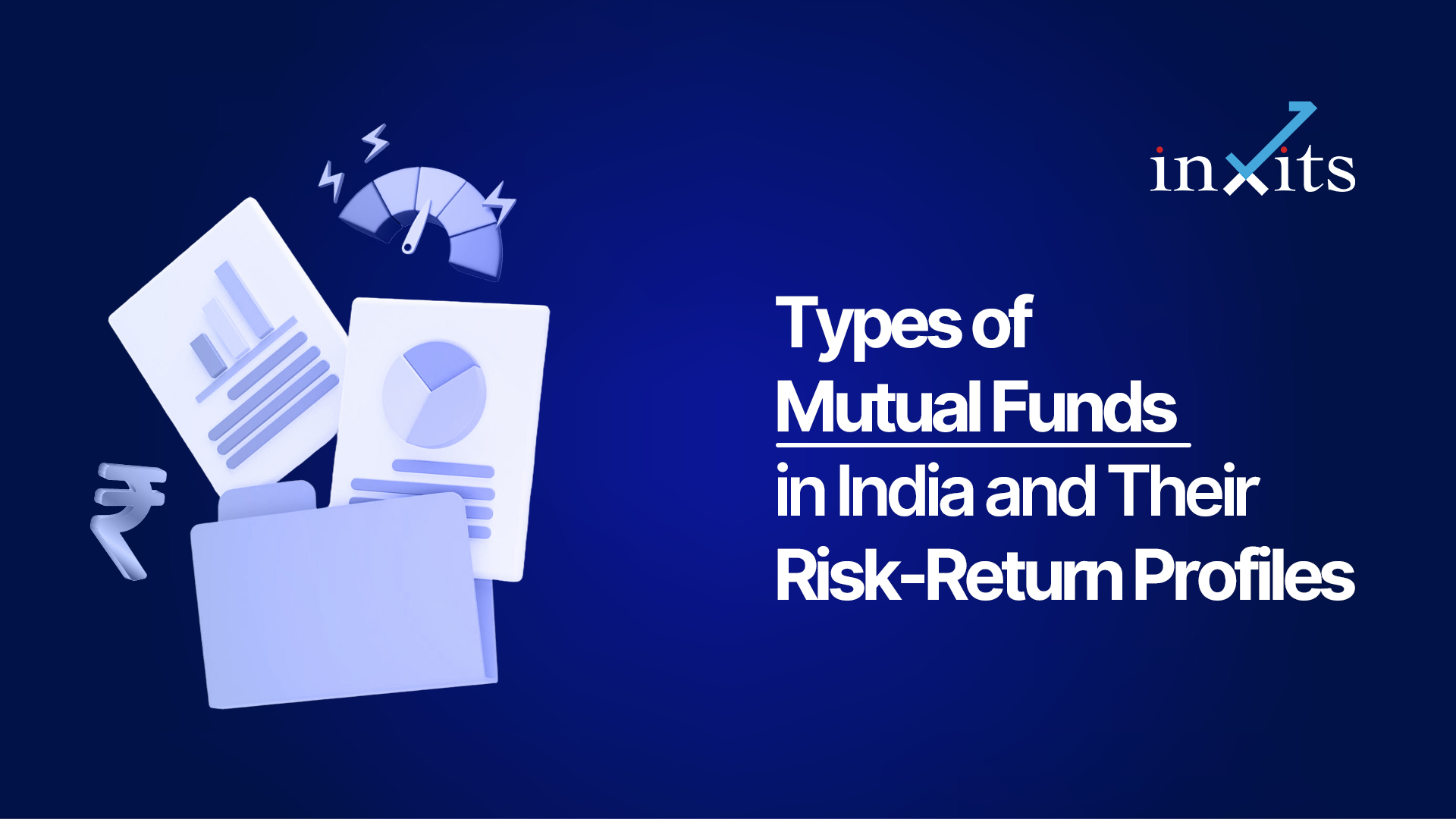
SEBI uses a Risk-O-Meter to show how risky a mutual fund category is. Understanding this helps investors set the right expectations.
- Equity Mutual Funds: Very High Risk
- Hybrid Mutual Funds: Moderately High Risk
- Debt Mutual Funds: Low to Moderate Risk
- Liquid Mutual Funds: Low Risk
- Index Mutual Funds: Market-linked Risk
- ELSS Mutual Funds: Very High Risk
Risk level should always be checked before investing.
Equity Mutual Funds
What They Invest In
Equity mutual funds invest mainly in shares of companies listed on stock exchanges.
Risk Profile (Risk-O-Meter)
Very High Risk
Time Horizon
5 years or more
Return Expectation
Market-linked over the long term.
Who Should Consider Them
- Long-term investors
- People comfortable with market ups and downs
- Investors aiming for long-term wealth creation
Common Types of Equity Funds
- Large-cap funds
- Mid-cap funds
- Small-cap funds
- Multi-cap funds
- Sectoral or thematic funds
If choosing between these feels confusing, a mutual fund consultant at inXits can help explain differences based on your goals.
Debt Mutual Funds
What They Invest In
Debt funds invest in fixed-income instruments such as:
- Government bonds
- Corporate bonds
- Treasury bills
Check: Bonds Online with Trusted Advisory
Risk Profile (Risk-O-Meter)
Low to Moderate Risk
Time Horizon
1 to 3 years
Return Expectation
Relatively stable compared to equity funds.
Who Should Consider Them
- Conservative investors
- Investors with short to medium-term goals
- People looking for lower volatility
Hybrid Mutual Funds
What They Invest In
Hybrid funds invest in a mix of equity and debt instruments.
Risk Profile (Risk-O-Meter)
Moderately High Risk
Time Horizon
3 to 5 years
Return Expectation
Balanced between growth and stability.
Who Should Consider Them
- Investors who want balance
- Beginners who want equity exposure with some stability
- Investors moving gradually from debt to equity
Arbitrage Mutual Funds
What They Invest In
Arbitrage funds invest in equity and equity-related instruments by taking advantage of price differences between the cash market and derivatives market.
Risk Profile (Risk-O-Meter)
Low to Moderate Risk
Time Horizon
6 months to 1 year or more
Return Expectation
Relatively stable compared to equity funds.
Invest Smarter.
Grow Confidently.
Your AI-powered SEBI-registered investment advisor — with research you can trust and insights that grow with you.
Download inXits Free
Who Should Consider Them
- Investors with short to medium-term goals
- Investors looking for alternatives to traditional debt funds
Arbitrage funds are often taxed like equity funds but tend to behave closer to debt funds in terms of risk.
Also read: What Is the 80% Rule for Mutual Funds?
Index Mutual Funds
What They Invest In
Index funds track a specific market index such as Nifty 50 or Sensex.
Risk Profile (Risk-O-Meter)
Market-linked Risk
Time Horizon
5 years or more
Return Expectation
Similar to the performance of the underlying index.
Active vs Passive Funds Explained
Index funds are passive funds. They simply track an index and do not involve active stock selection.
One key reason beginners choose index funds is that they usually have lower expense ratios compared to actively managed equity funds. Active funds aim to beat the market and typically involve higher costs.
Liquid and Money Market Funds
What They Invest In
Short-term debt instruments with high liquidity.
Risk Profile (Risk-O-Meter)
Low Risk
Time Horizon
1 day to 3 months
Return Expectation
Low but stable.
Who Should Consider Them
- Investors parking surplus money
- Short-term needs
- Emergency funds
Solution-Oriented Mutual Funds
What They Invest In
A mix of equity and debt aimed at specific long-term goals.
Common Examples
- Retirement funds
- Children’s education funds
Risk Profile (Risk-O-Meter)
Moderate to High Risk
Time Horizon
Long term
Return Expectation
- Designed to meet long-term goals.
- These funds usually come with a lock-in period.
ELSS Mutual Funds
What They Invest In
Primarily equities, with tax-saving benefits under Section 80C.
Risk Profile (Risk-O-Meter)
Very High Risk
Time Horizon
Minimum 3 years due to lock-in
Return Expectation
- Market-linked.
- ELSS funds combine tax benefits with equity exposure.
How to Choose the Right Mutual Fund Category
When selecting a mutual fund category, consider:
- Your investment goal
- Your time horizon
- Your comfort with market fluctuation
- Your income stability
The right category depends on alignment, not popularity.
Mutual Fund Categories at a Glance
| Fund Type | Risk Level | Return Expectation | Ideal Time Horizon |
| Equity Funds | Very High Risk | Market-linked (Long term) | 5+ years |
| Debt Funds | Low to Moderate Risk | Relatively stable | 1–3 years |
| Hybrid Funds | Moderately High Risk | Balanced | 3–5 years |
| Index Funds | Market-linked Risk | Market-linked | 5+ years |
| Liquid Funds | Low Risk | Low | 1 day–3 months |
| ELSS Funds | Very High Risk | Market-linked | 3+ years |
| Arbitrage Funds | Low to Moderate Risk | Relatively stable | 6–12 months |
Why Risk Understanding Matters More Than Returns
Focusing only on returns can lead to stress during market volatility. Knowing the risk profile of your mutual fund helps you stay invested with patience and realistic expectations.
Conclusion
India offers many types of mutual funds, each with a different risk and return profile. Equity funds focus on long-term growth, debt funds offer stability, and hybrid, index, and solution-oriented funds provide options for different needs.
The right mutual fund is not the same for everyone. It depends on your goals, time horizon, and comfort with risk. If you ever need help understanding these options, you may consider speaking with a qualified mutual fund advisor for guidance. The inXits team also provides educational support and 24×7 free consulting for investors who want clarity before investing.
Mandatory SEBI Warning & Disclaimer
Investment in securities market are subject to market risks. Read all the related documents carefully before investing.
Registration granted by SEBI, membership of BSE and certification from NISM in no way guarantee performance of the intermediary or provide any assurance of returns to investors.
The securities quoted above are for illustration only and are not recommendatory.
Want to build a portfolio that matches your risk appetite?
Book a Consultation
Aditya Rajpurohit is a Mutual Fund Research Analyst at inXits with 5+ years of experience in equity and mutual fund analysis. He specialises in fund selection, portfolio construction, and long-term wealth creation strategies for retail and HNI investors.
FAQs
1. What are the main types of mutual funds in India?
The main types include equity funds, debt funds, hybrid funds, index funds, liquid funds, ELSS, and solution-oriented funds.
2. Which mutual fund has the highest risk?
Equity mutual funds usually carry higher risk because their value depends on stock market movements.
3. Which mutual funds are considered low risk?
Debt funds and liquid funds are generally considered lower risk compared to equity funds.
4. How do I choose the right mutual fund type?
You should consider your investment goal, time horizon, and comfort with market ups and downs. Guidance from a mutual fund advisor can help.
5. Are hybrid mutual funds suitable for beginners?
Hybrid funds may suit beginners who want exposure to equity along with some stability from debt investments.
6. What is the difference between equity and debt mutual funds?
Equity funds invest mainly in stocks and carry higher risk, while debt funds invest in fixed-income instruments and aim for more stable returns.
7. Do mutual funds guarantee returns?
No, mutual fund returns depend on market performance and the type of fund chosen. Returns are not guaranteed.
8. What is the role of a mutual fund advisor?
A mutual fund advisor helps investors understand fund types, assess risk comfort, plan investments, and review portfolios over time.
9. Is long-term investment important for mutual funds?
Yes, especially for equity-oriented funds, staying invested for the long term helps manage market fluctuations better.
10. Can I take help from inXits to choose mutual funds?
Yes, the inXits team provides guidance and 24×7 free consulting to help investors understand mutual fund categories and plan investments clearly.