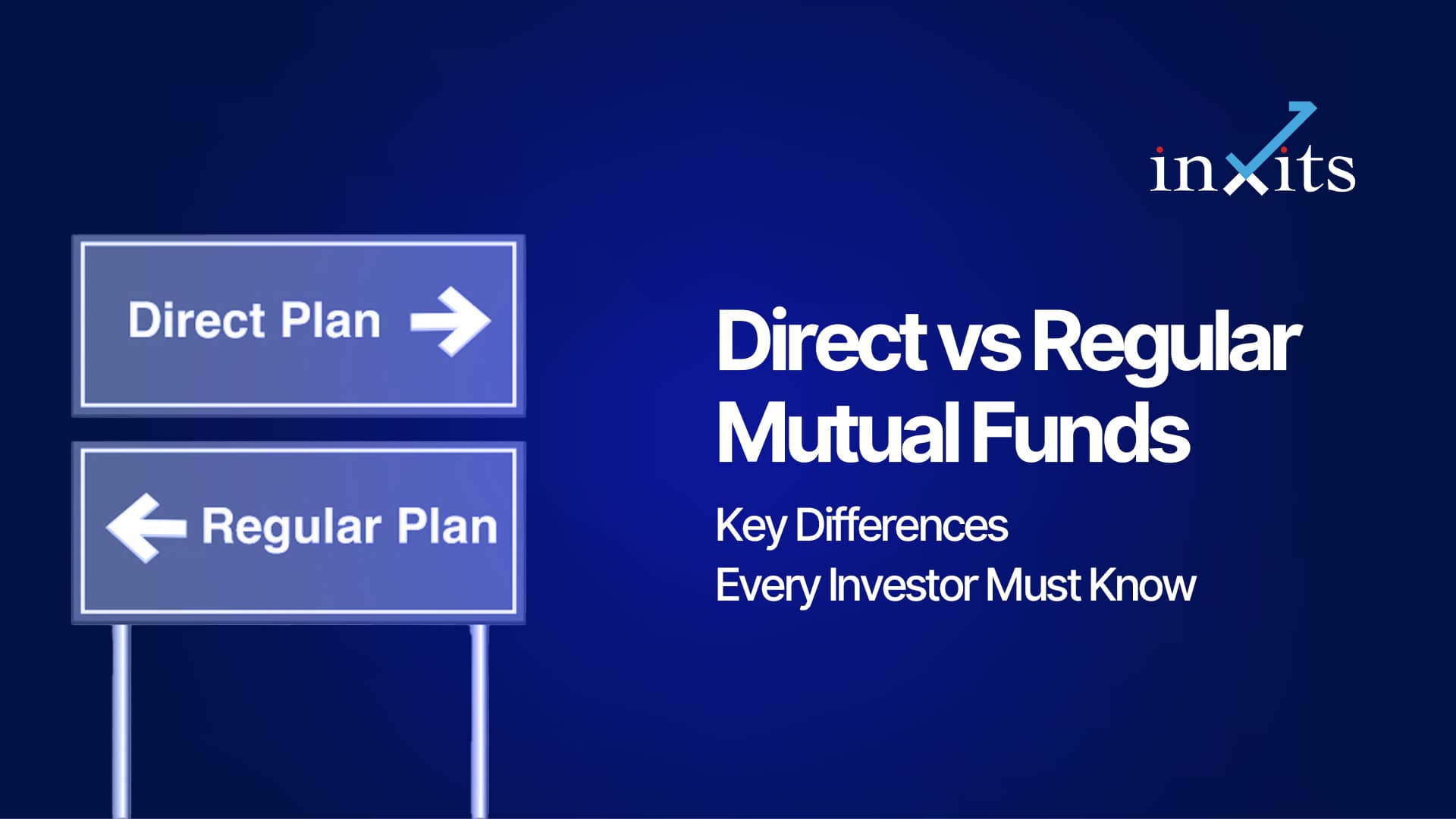
When investing in mutual funds, investors must choose between Direct mutual funds and Regular mutual funds. Both options invest in the same underlying portfolio, yet they differ in how investors access them, the costs involved, and the level of support provided.
This comparison-focused guide explains the key differences between direct and regular mutual funds, so investors can decide which option fits their investing style, comfort level, and long-term approach.
Why the Choice Between Direct and Regular Matters
The decision between direct and regular mutual funds is not about which is better in general. It is about how involved you want to be in managing your investments.
Some investors prefer lower costs and full control, while others value guidance and ongoing support. Understanding these differences helps avoid confusion and mismatched expectations later.
Core Difference in How You Invest
Direct Mutual Funds
- Investment is made directly with the fund house
- No distributor or intermediary involved
- Investor handles fund selection, monitoring, and review
Regular Mutual Funds
- Investment is made through a distributor or advisor
- Distributor assists with selection and transactions
- Ongoing support is part of the investment experience
The underlying investments remain the same. The difference lies in process and support.
Cost Difference Between Direct and Regular Plans
One of the most discussed differences is cost.
Expense Ratio Explained
- Direct plans have lower expense ratios
- Regular plans include distributor commission, making costs slightly higher
This cost difference can affect long-term outcomes, but cost alone should not drive the decision.
NAV Difference Over Time
Because direct plans have lower expenses:
- Their NAV is usually slightly higher over time
- Regular plans may show marginally lower NAV due to higher costs
This difference builds gradually and becomes noticeable mainly over long investment periods.
Support and Guidance Comparison
Direct Mutual Funds
- No built-in advisory support
- Suitable for investors who understand fund categories
- Requires self-discipline and regular reviews
Regular Mutual Funds
- Guidance available through distributor or advisor
- Helpful during market volatility
- Suitable for investors who prefer assistance
The real difference is decision-making responsibility.
Behavioural Impact During Market Volatility
Market ups and downs affect all investors, but how they react differs.
- Investors in direct plans must manage emotions independently
- Regular plan investors often receive guidance during uncertain periods
This behavioural support can help investors avoid panic decisions such as stopping SIPs or exiting too early.
Taxation: No Difference
Tax treatment is exactly the same for both plans.
Tax depends on:
- Type of mutual fund
- Holding period
- Applicable tax laws at the time of redemption
Choosing direct or regular does not change tax rules.
Who May Prefer Direct Mutual Funds
Direct plans may suit investors who:
- Understand mutual fund basics
- Are comfortable selecting and reviewing funds
- Prefer lower costs
- Do not need ongoing guidance
They may know what they want and prefer a self-managed approach.
Who May Prefer Regular Mutual Funds
Regular plans may suit investors who:
- Are new to mutual fund investing
- Prefer guidance and explanations
- Want help with portfolio reviews
- Value behavioural support
Regular plans are about convenience and clarity, not just transactions.
Common Mistakes Investors Make When Choosing
- Choosing direct plans only for lower cost without understanding funds
- Choosing regular plans without understanding expense impact
- Switching frequently between plans
- Comparing only returns instead of suitability
The right choice depends on how involved you want to be, not on short-term numbers.
How to Decide What Is Right for You
Ask yourself:
- Do I understand mutual fund categories and risk levels
- Can I review my portfolio calmly during market volatility
- Do I want guidance or prefer independence
- Am I comfortable making long-term decisions on my own
Clear answers help guide the choice.
If you want help understanding whether direct or regular mutual funds suit your investing style, speaking with a qualified mutual fund advisor can help. Platforms like inXits focus on explaining options clearly so investors can make informed choices based on comfort and goals, not pressure.
Quick Comparison Table
| Aspect | Direct Mutual Funds | Regular Mutual Funds |
| Distributor involvement | No | Yes |
| Expense ratio | Lower | Higher |
| NAV over time | Slightly higher | Slightly lower |
| Guidance support | Not included | Available |
| Suitable for | Self-directed investors | Guided investors |
Conclusion
Direct and regular mutual funds invest in the same assets, but the experience of investing in them is different. Direct plans focus on cost efficiency and self-management, while regular plans focus on guidance and support.
There is no universal answer to which is better. The right option depends on your knowledge, comfort level, and preference for guidance. Making a thoughtful choice helps ensure you stay invested with confidence over the long term.
FAQs
1. Are direct mutual funds always better than regular funds
No. Suitability depends on the investor’s ability to manage investments independently.
2. Do regular mutual funds give lower returns
Both direct and regular plans invest in the same portfolio and are affected by the same market performance. However, direct plans have a lower expense ratio, so the net return received by the investor will always be higher in a direct plan compared to the regular plan of the same fund.
3. Can I invest in both direct and regular plans
Yes. Some investors use both based on comfort and complexity of investments.
4. Is switching between direct and regular funds advisable
Switching from a regular plan to a direct plan is treated as a redemption and fresh investment. This may result in capital gains tax and can also attract an exit load if the switch is done within the exit load period (often one year). Therefore, switching should be considered carefully.
5. Do beginners need regular mutual funds
Beginners often find regular funds helpful due to available guidance.
Mandatory SEBI Warning & Disclaimer
Investment in securities market are subject to market risks. Read all the related documents carefully before investing.
Registration granted by SEBI, membership of BSE and certification from NISM in no way guarantee performance of the intermediary or provide any assurance of returns to investors.
The securities quoted above are for illustration only and are not recommendatory.