 AI Summary
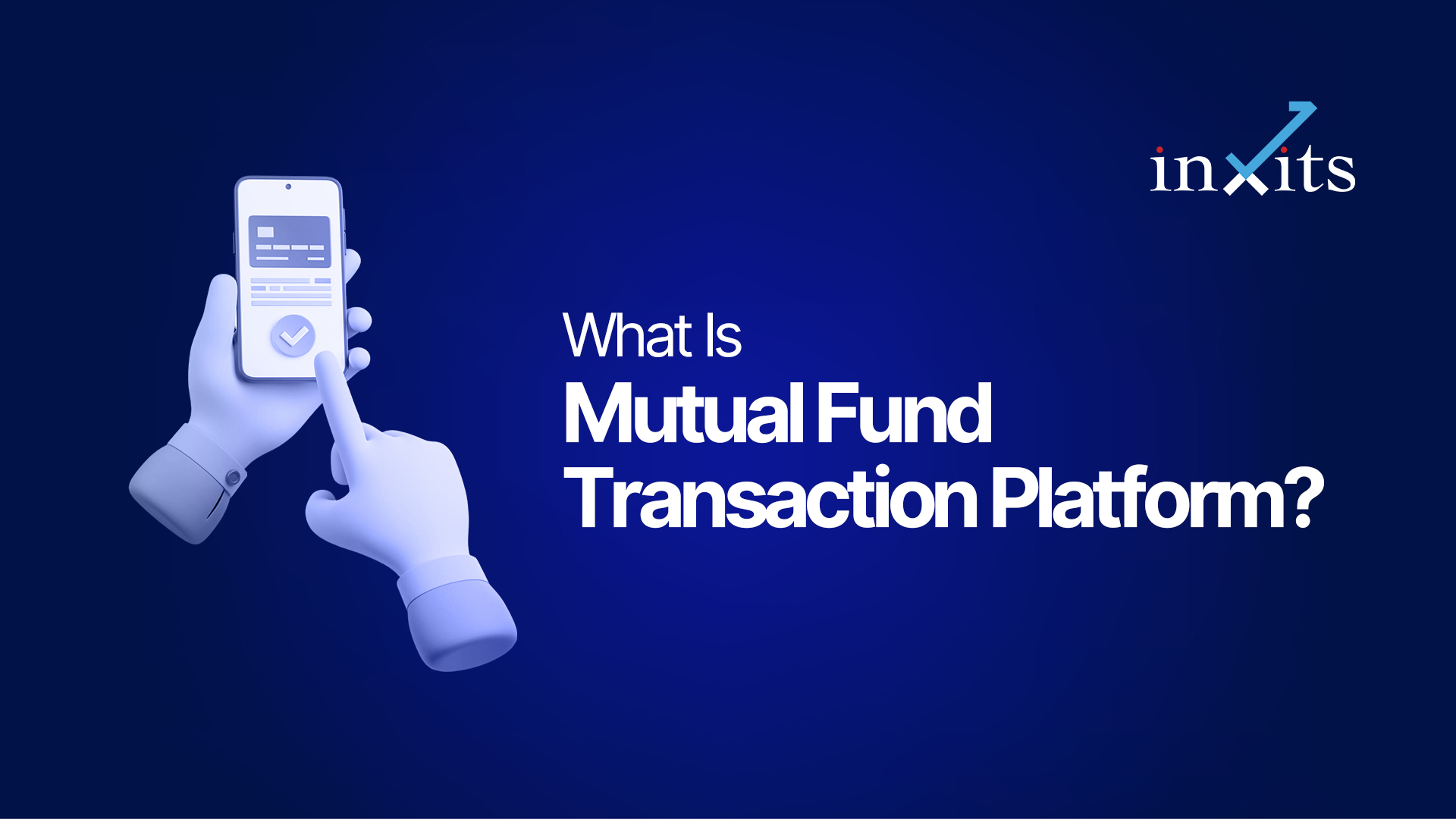
A mutual fund transaction platform is the system investors use to buy, redeem, switch, and manage mutual funds through AMC websites, banks, brokers, fintech apps, or registrars like CAMS and KFin. While all platforms allow investing, they differ in areas such as direct vs regular plan access, portfolio visibility, reporting, redemption convenience, and long-term costs. The platform itself does not affect fund returns, but it can influence investment discipline, cost efficiency, and overall portfolio management. Investors should choose a platform based not only on convenience but also on transparency, ease of tracking, and alignment with their financial goals.
Many investors are comfortable choosing a mutual fund, but confusion starts when they ask a simple question: where exactly should I invest?
Should you invest through the AMC website, a bank app, a broker, or a separate mutual fund transaction platform?
The options look similar at first. All of them allow you to buy funds, start SIPs, and redeem investments. But the experience, cost structure, and level of control can feel very different.
Most investors understand what a mutual fund is and whether to invest via SIP or lump sum. The platform question comes next – and it matters more than it looks. Whether you use an AMC website, a bank app, a fintech platform, or a registrar like CAMS or KFin affects your access to direct plans, portfolio visibility, redemption ease, and long-term cost.
This is where understanding a mutual fund transaction platform becomes useful.
It is not just about convenience. The platform you use affects how you track investments, manage redemptions, update nominations, and review your overall portfolio. A good decision here reduces friction for years.
On this page
Before You Read On
A few quick points will make the rest easier to follow.
- A mutual fund transaction platform helps investors buy, redeem, and manage mutual funds
- It can be offered by AMCs, brokers, fintech apps, or registrar systems
- Some platforms support direct plans, while others may offer regular plans
- Convenience matters, but cost and visibility matter too
What Is a Mutual Fund Transaction Platform?
A mutual fund transaction platform is a system that allows investors to complete mutual fund activities such as purchasing units, starting SIPs, redeeming funds, switching schemes, and tracking holdings.
Instead of visiting multiple fund house websites separately, investors can often manage everything from one place.
These platforms may be offered by:
- Asset Management Companies (AMCs)
- Banks
- Brokers
- Fintech investment apps
- Registrar and Transfer Agents like CAMS or KFin Technologies
Is a Transaction Platform the Same as a Mutual Fund Distributor?
Not always.
A distributor may recommend and sell mutual funds, often under regular plans. A transaction platform may simply provide execution and portfolio management without investment advice.
Some platforms do both. That is why investors should check whether they are using a direct plan or a regular plan before investing.
This affects long-term cost.
How a Mutual Fund Transaction Platform Works
The process is usually simple.
Most platforms allow investors to:
- Complete KYC and account setup
- Link PAN, bank account, and nominee details
- Select mutual fund schemes
- Start SIP or lump sum investments
- Track portfolio value and statements
- Redeem or switch investments when needed
The platform acts as the operational layer between the investor and the mutual fund ecosystem.
Understanding how mutual fund purchase works makes this flow much easier to follow because purchase and redemption are both handled through the same structure.
A first-time investor in Hyderabad, Sneha, started investing through her salary account bank app because it felt familiar. Later, she realised she could not clearly compare direct plans and regular plans there, which affected her long-term cost understanding.
This is a common gap between platform convenience and platform transparency.
Can You Use More Than One Platform?
Yes.
Many investors use one platform for SIPs and another for tracking or redemptions. But managing too many platforms can create confusion around statements, nominations, and portfolio visibility.
A cleaner structure usually helps more than having too many apps.
Direct Plan vs Regular Plan on These Platforms
This is one of the most important checks.
Some transaction platforms offer direct plans, where investors invest directly without distributor commissions. Others may offer regular plans, where commissions are built into the structure.
The fund itself may look identical, but the expense ratio can differ.
Invest Smarter.
Grow Confidently.
Your AI-powered SEBI-registered investment advisor — with research you can trust and insights that grow with you.
Download inXits Free
This affects long-term compounding.
Investors comparing cost structures often benefit from understanding direct vs regular mutual funds before choosing where to invest.
Should First-Time Investors Always Choose Direct Plans?
Not automatically.
Direct plans reduce cost, but some investors still prefer professional guidance for fund selection, risk profiling, and long-term planning.
The better question is not “direct or regular?” but rather “do I need advice, execution support, or both?”
That depends on your goals, confidence, and financial complexity.
What Should You Check Before Choosing a Platform?
Not every platform fits every investor.
Before selecting one, check:
| Factor | Why It Matters |
| Direct vs Regular Plans | Impacts long-term cost |
| Ease of Redemption | Important during emergencies |
| Portfolio Visibility | Helps review all holdings together |
| Support for Nominee/KYC Updates | Reduces operational problems |
| Statement and Tax Reports | Useful during filing season |
Many investors focus only on the interface and ignore the reporting structure. But during tax-saving season or redemption planning, clean records matter more than design.
Not sure whether your current platform is helping your long-term investing or simply making transactions easier? A financial advisor at inXits can help review whether your mutual fund structure, platform choice, and fund selection actually support your financial goals.
Does the Platform Affect Returns?
Not directly.
Returns come from the mutual fund itself, not the app you use.
But platform choice affects cost, discipline, visibility, and decision quality. Over long periods, that can influence outcomes far more than investors expect.
A poor platform does not reduce fund performance, but it can make poor decisions easier.
How Structured Guidance Helps Beyond Just Transactions
A mutual fund transaction platform helps you execute investments, but execution is only one part of the process. The larger question is whether those transactions are helping your actual financial goals.
Buying funds is easy. Building a portfolio with purpose is harder.
At inXits, advisors help investors review fund selection, asset allocation, and investment structure based on income, goals, and risk profile rather than only transaction convenience. A retirement SIP and a short-term house purchase goal should not sit on the same decision framework.
If your main question after reading this is whether your current platform and portfolio setup are actually working together, that is where structured review matters. Connect with a SEBI registered financial advisor at inXits for clarity that goes beyond simply choosing an app.
Conclusion
A mutual fund transaction platform is the system that helps investors buy, redeem, switch, and manage mutual funds efficiently. It simplifies execution, but the right choice depends on more than convenience.
Direct plans, reporting clarity, redemption ease, and long-term visibility all matter. A good platform should make investing easier without creating hidden costs or unnecessary confusion.
The platform itself does not create returns, but it shapes how consistently and clearly investors manage their money.
Understanding how a mutual fund transaction platform works helps investors make better operational decisions, which often improve long-term financial discipline.
If you are unsure whether your current setup supports your goals or only handles transactions, working with an investment advisor can help bring structure before small inefficiencies become larger problems.
Disclaimer
Investments in securities markets are subject to market risks. Read all related documents carefully before investing.
inXits is a SEBI-registered investment adviser (Registration No. INA000020369). This article is for educational purposes only and does not constitute personalised investment advice.
Registration granted by SEBI, membership of BSE, and certification from NISM in no way guarantee performance of the intermediary or provide any assurance of returns to investors.
Get Expert Investment Guidance
Let's Connect
Aditya Rajpurohit is a Mutual Fund Research Analyst at inXits with 5+ years of experience in equity and mutual fund analysis. He specialises in fund selection, portfolio construction, and long-term wealth creation strategies for retail and HNI investors.
FAQs
What is a mutual fund transaction platform in simple terms?
A mutual fund transaction platform is a system where investors can buy, redeem, switch, and track mutual fund investments. It helps manage SIPs, portfolio statements, nominee updates, and redemptions from one place instead of using multiple fund house websites.
How does a mutual fund transaction platform work?
The platform connects investors with the mutual fund ecosystem by handling KYC, investment transactions, SIP setup, redemptions, and reporting. It acts as the operational system between your bank account and your mutual fund investments.
Is a mutual fund transaction platform suitable for first-time investors?
Yes, especially for investors who want easier tracking and smoother execution. However, the platform should also provide clarity on whether you are investing through direct plans or regular plans, as this affects long-term cost.
What is the difference between direct and regular plans on a platform?
Direct plans do not include distributor commissions, while regular plans do. This affects the expense ratio and long-term returns. Investors should check the plan type before investing, not only the app interface.
Can I use multiple mutual fund transaction platforms?
Yes, but too many platforms can create confusion around statements, tax reports, and nominations. Many investors prefer one clean structure for better portfolio visibility and easier long-term management.
Does the transaction platform affect mutual fund returns?
Not directly. Returns come from the fund itself, not the platform. However, platform choice affects cost visibility, investment discipline, and redemption efficiency, which can influence long-term financial outcomes.
Are mutual fund transaction platforms regulated in India?
Yes. Mutual fund transactions operate within the framework regulated by the Securities and Exchange Board of India. Investors should use platforms that follow proper KYC, disclosure, and investor protection requirements.
Can a salaried person start SIPs through a transaction platform?
Yes. Most platforms allow salaried investors to start monthly SIPs by linking a bank account and completing KYC. This makes regular investing easier and improves long-term investment discipline.