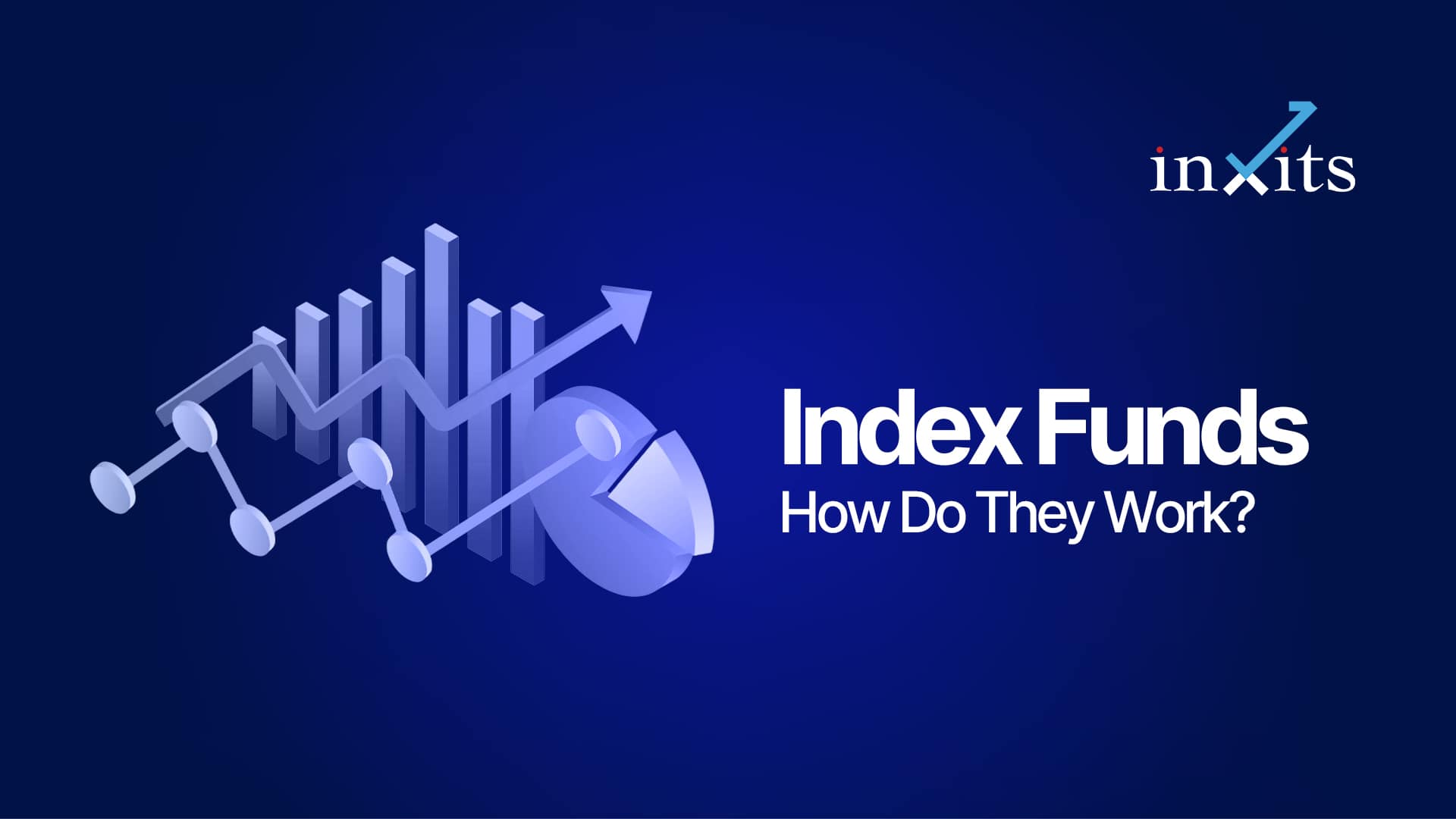
Index funds have become a popular choice among investors who prefer a simple and transparent way to invest in the stock market. They are one of the most well-known types of mutual fund, designed to track the performance of a specific market index such as the Nifty 50 or Sensex instead of trying to beat the market.
For beginners, index funds are often easier to understand compared to actively managed funds. This blog explains what index funds are, how they work, their risks, returns, and who they are suitable for.
What Is an Index Fund
An index fund is a type of mutual fund that invests in the same stocks and in the same proportion as a market index.
For example:
- A Nifty 50 index fund invests in the 50 companies that make up the Nifty 50 index
- A Sensex index fund invests in the 30 companies included in the Sensex
The goal of an index fund is not to outperform the market but to replicate the returns of the index it tracks.
How Index Funds Work
Index funds follow a simple investment approach:
- The fund tracks a specific market index
- It invests in all the stocks of that index
- The weight of each stock in the fund is the same as in the index
- When the index changes, the fund portfolio is adjusted accordingly
There is no active stock selection or frequent buying and selling. This makes index funds predictable and easy to understand.
Types of Index Funds in India
Index funds in India are available across different market segments.
Broad Market Index Funds
- Nifty 50 Index Funds
- Sensex Index Funds
These track large, well-established companies.
Market Capitalisation Index Funds
- Nifty Next 50
- Nifty Midcap 150
These provide exposure beyond large-cap stocks.
Sector and Theme Index Funds
- Banking index funds
- IT index funds
These focus on specific sectors and carry higher risk due to concentration.
Risk Profile of Index Funds
Risk-O-Meter
Market-Linked Risk
Index funds carry market risk because they move with the stock market. If the market falls, the value of the index fund also falls.
However, index funds do not carry:
- Fund manager risk
- Stock selection bias
Their risk comes purely from market movement.
Time Horizon for Index Funds
Index funds are suitable for long-term investing.
Recommended time horizon:
5 years or more
This time frame allows investors to ride out short-term volatility and benefit from long-term market growth.
Returns from Index Funds
Returns from index funds depend on:
- Performance of the underlying index
- Time horizon
- Market conditions
Index funds do not provide fixed or guaranteed returns. Over long periods, they tend to reflect overall market growth.
The objective is steady, market-linked growth rather than short-term gains.
Advantages of Index Funds
- Simple structure
- Transparent holdings
- Lower expense ratios
- Lower portfolio turnover
- Easy to track performance
Because of these features, index funds are often considered suitable for beginners and long-term investors.
Limitations of Index Funds
- They cannot outperform the market
- They fall when the market falls
- No downside protection during market corrections
Understanding these limitations helps set realistic expectations.
Who Should Consider Index Funds
Index funds may suit:
- Beginners starting their investment journey
- Long-term investors
- Investors who prefer low-cost investing
- Investors who do not want to track markets daily
They may not suit investors looking for short-term gains or active trading opportunities.
Common Mistakes Investors Make with Index Funds
- Expecting quick returns
- Investing for short-term goals
- Panicking during market falls
- Ignoring asset allocation
Index funds work best when held with patience and discipline.
How Index Funds Fit into a Portfolio
Index funds can act as:
- A core equity holding
- A base for long-term wealth building
- A stable alternative to multiple active funds
Many investors combine index funds with debt or hybrid funds to balance risk.
If you ever need help understanding how index funds fit into your overall plan, speaking with a qualified mutual fund advisor can help. The inXits team also provides educational guidance and 24×7 free consulting for investors seeking clarity before investing.
Conclusion
Index funds offer a simple and cost-effective way to participate in stock market growth. By tracking a market index, they remove the complexity of active stock selection and focus on long-term performance.
For investors who value simplicity, transparency, and discipline, index funds can play an important role in long-term investing. The key is to invest with the right time horizon and realistic expectations.
FAQs
1. Are index funds safe
Index funds carry market risk and are suitable for long-term investors.
2. Do index funds guarantee returns
No. Returns are market-linked and not guaranteed.
3. Are index funds better than active funds
Both have different purposes. Index funds focus on matching market returns at lower cost.
4. How long should I stay invested in index funds
Ideally 5 years or more.
5. Can beginners invest in index funds
Yes. Index funds are often suitable for beginners due to their simple structure.
Mandatory SEBI Warning & Disclaimer
Investment in securities market are subject to market risks. Read all the related documents carefully before investing.
Registration granted by SEBI, membership of BSE and certification from NISM in no way guarantee performance of the intermediary or provide any assurance of returns to investors.
The securities quoted above are for illustration only and are not recommendatory.