Bagmane Prime Office REIT IPO: What Investors Should Know
Personal Finance

April 30, 2026

Bagmane Prime Office REIT IPO: What Investors Should Know

Many investors feel a mix of curiosity and hesitation when a new REIT IPO comes up. The Bagmane Prime Office REIT IPO is no different. On one hand, it involves premium office assets and well-known global tenants. On the other, the structure of REITs can feel less familiar compared to stocks. That confusion is understandable. […]

Why Mutual Fund NAV Changes? Cut-Off Timing Explained
Personal Finance

April 29, 2026

Why Mutual Fund NAV Changes? Cut-Off Timing Explained

You place an order for a mutual fund or stock, expecting it to go through instantly. But later, you notice the price or NAV applied is different from what you expected. This confusion often comes down to something most investors overlook — cut-off timing and market holidays. If you have ever wondered why your transaction […]

What Is Sector Allocation in Mutual Funds? Meaning, Risk & Strategy
Personal Finance

April 28, 2026

What Is Sector Allocation in Mutual Funds? Meaning, Risk & Strategy

You might have looked at a mutual fund portfolio and seen percentages assigned to sectors like banking, IT, or pharma. It can feel like a lot of detail without a clear takeaway. At first glance, it is easy to ignore. After all, if the fund is performing well, does it really matter how much is […]

OnEMI Technology Solutions IPO: What Investors Should Understand
Personal Finance

April 28, 2026

OnEMI Technology Solutions IPO: What Investors Should Understand

A new fintech IPO, OnEMI Technology Solutions (Kissht), is opening between 30th April and 5th May. At a minimum investment of ₹14,877, it sits in a space that many investors are currently watching closely—digital lending. But here’s where many investors pause. The industry is growing at nearly 30% CAGR, yet the company reports a Gross […]

Vedanta Demerger 2026 Explained: What Investors Should Know
Personal Finance

April 27, 2026

Vedanta Demerger 2026 Explained: What Investors Should Know

If you’ve been following the markets lately, chances are you’ve come across the term Vedanta demerger 2026 and felt a mix of curiosity and confusion. A large company splitting itself into multiple parts sounds significant, but what does it actually mean for investors? This uncertainty is common. When a major restructuring happens, it raises questions […]

Amba Auto Sales IPO: Growth Strong, But What Should Investors Notice?
Personal Finance

April 25, 2026

Amba Auto Sales IPO: Growth Strong, But What Should Investors Notice?

When a new IPO opens, especially from a familiar consumer-facing business, it often feels easier to trust. After all, selling two-wheelers or LG appliances is something most people understand. But that familiarity can sometimes hide the deeper questions investors actually need to ask. The Amba Auto Sales & Services IPO is one such case, where […]

SIP vs PPF: Structure and Suitability Explained
Personal Finance

April 24, 2026

SIP vs PPF: Structure and Suitability Explained

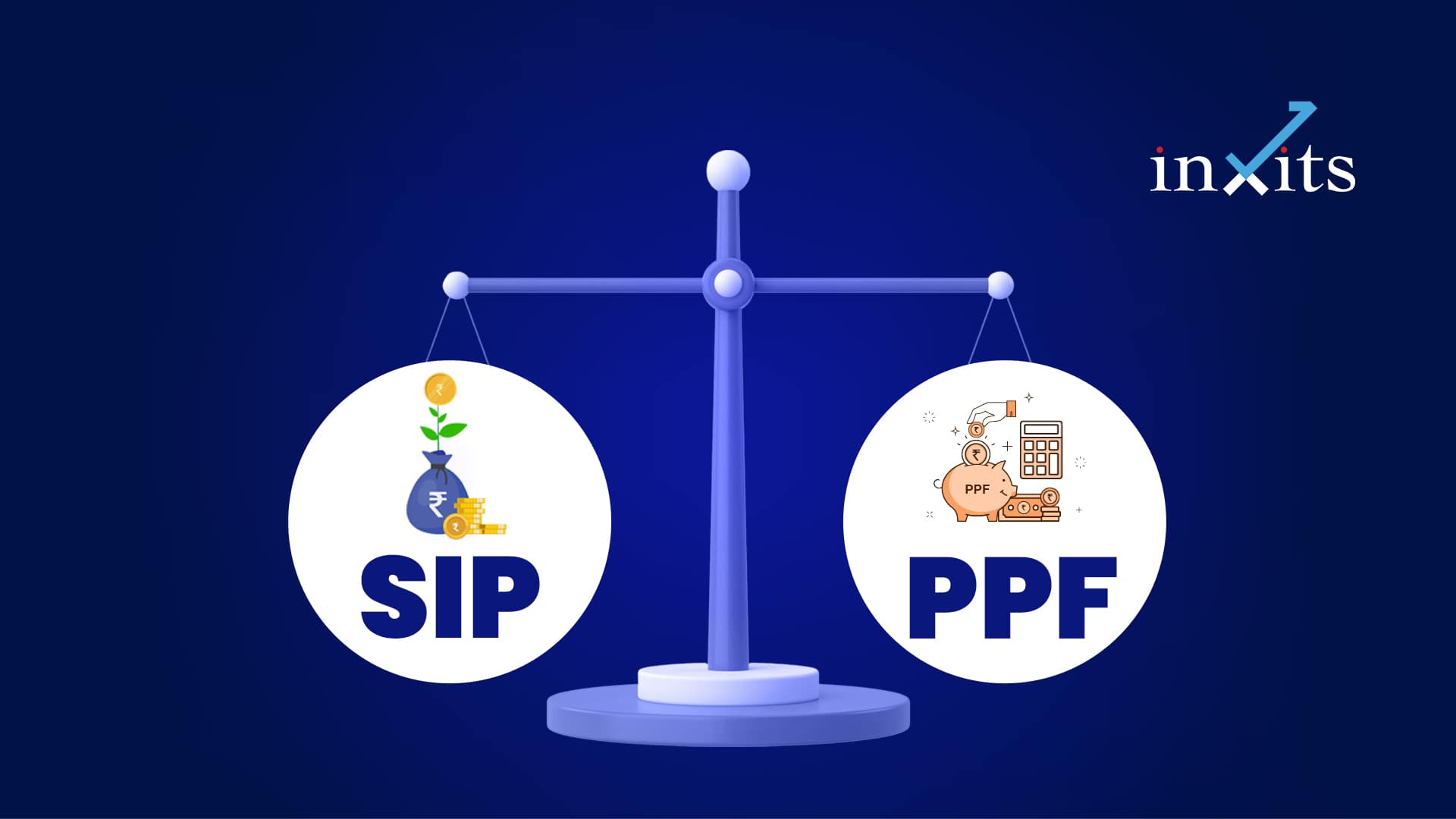
When planning long term savings, many Indian investors face a common question: Should I invest through SIP or put money in PPF? This situation often comes up during key life stages such as starting a new job, planning retirement, or saving for a child’s future. Family members may suggest PPF for stability, while peers may […]

Common SIP Myths Every Investor Should Know
Personal Finance

April 24, 2026

Common SIP Myths Every Investor Should Know

Have you ever heard someone say, “SIP always gives good returns” or “SIP has no risk”? Statements like these spread quickly in conversations, especially among first-time investors. SIP often becomes the default choice without a clear understanding of how it actually works. When decisions are based on incomplete information, expectations may not match reality. This […]

What Is Perpetual SIP? Meaning, Benefits and How It Works
Personal Finance

April 23, 2026

What Is Perpetual SIP? Meaning, Benefits and How It Works

A perpetual SIP is a systematic investment plan without a fixed end date. It continues until you choose to stop, making it suitable for investors focused on long-term wealth creation. Many investors start a SIP with a fixed timeline. Five years. Ten years. Sometimes aligned with a specific goal. But over time, financial priorities change. […]

Chat on WhatsApp