German Green Steel and Power Limited is an iron and steel manufacturer primarily operating in the western region of India, with a strong presence in Gujarat.
The company mainly operates on a business-to-business (B2B) model and serves three major customer categories:
- Distributors
- Dealers
- Institutional customers
Its product portfolio includes TMT bars, MS billets and sponge iron, with TMT bars being an important part of its business.
The company is now preparing to enter the public market with an IPO of ₹304 crore.
Financially, German Green Steel & Power has reported healthy growth in FY26. Total income increased to ₹1,685.38 crore, while profit after tax rose to ₹79.89 crore. Profit increased 33% compared with FY25.
Another notable feature is the company’s cash generation. Cash flow from operations (CFO) stood at ₹140.80 crore in FY26, around 90% higher than the previous year.
However, investors should also look beyond revenue and profit growth. The company’s increasing inventory and trade receivables need to be monitored, while the rise in right-of-use assets is another balance-sheet factor worth understanding.
The company also faces exposure to imported raw materials and the inherently cyclical nature of the steel industry.
On this page
Key Takeaways
- German Green Steel & Power manufactures TMT bars, MS billets and sponge iron.
- The company primarily serves B2B customers including distributors, dealers and institutional buyers.
- It has a strong presence in Gujarat and the western region of India.
- FY26 total income stood at ₹1,685.38 crore.
- FY26 PAT stood at ₹79.89 crore, up 33% from FY25.
- Operating cash flow reached ₹140.80 crore, around 90% higher than the previous year.
- Increasing inventory and trade receivables should be monitored because they can affect working-capital requirements.
- Right-of-use assets increased to ₹8.45 crore in FY26, compared with ₹0.87 crore in the previous year.
- Around 22% of required raw materials are imported, exposing the company to international supply and geopolitical risks.
- Steel demand and pricing are cyclical and sensitive to raw-material prices.
- The IPO opens on September 25 and closes on September 29, 2026.
- The price band is ₹132–₹139 per share.
- The minimum investment is ₹14,873.
German Green Steel & Power Company Overview
German Green Steel and Power Limited operates in the iron and steel manufacturing industry.
The company is primarily focused on serving customers in western India, particularly Gujarat.
Its B2B customer base consists of three major categories:
1. Distributors
Distributors purchase the company’s products and supply them further through their distribution networks.
2. Dealers
Dealers form another important part of the company’s sales network, helping make its steel products available to customers across different markets.
3. Institutional Customers
The company also supplies products directly to institutional buyers.
This B2B structure means the company is primarily dependent on industrial, infrastructure and construction-related demand rather than direct consumer purchases.
German Green Steel & Power Product Portfolio
The company manufactures and sells three key categories of steel products.
TMT Bars
TMT, or Thermo-Mechanically Treated, bars are widely used in construction and infrastructure.
They are used in applications such as:
- Residential construction
- Commercial buildings
- Roads
- Bridges
- Industrial structures
TMT bars are therefore closely linked to construction and infrastructure activity.
MS Billets
MS billets, or mild-steel billets, are semi-finished steel products.
They can be further processed to manufacture finished steel products such as bars and other components.
Sponge Iron
Sponge iron is an intermediate material used in steel production.
Its production and pricing are influenced by factors such as iron ore availability, energy costs and overall steel-market conditions.
How Does German Green Steel & Power Make Money?
German Green Steel & Power follows a relatively straightforward manufacturing model.
The company purchases raw materials, processes them through its manufacturing operations and sells finished and semi-finished steel products to B2B customers.
The basic business cycle can be understood as:
Raw materials → Manufacturing → Steel products → Distributors / Dealers / Institutional customers
The company’s financial performance is therefore influenced by two major factors:
- Selling prices of its steel products
- Cost and availability of raw materials
The difference between these two determines the company’s gross profitability and ultimately influences its margins.
German Green Steel & Power Financial Performance
The company delivered strong growth in FY26.
| Financial Metric | FY25 | FY26 |
| Total Income | — | ₹1,685.38 Cr |
| PAT | — | ₹79.89 Cr |
| Revenue Growth | — | 11% |
| PAT Growth | — | 33% |
| Cash Flow from Operations | — | ₹140.80 Cr |
Only the figures provided in the source information are shown.
Revenue Grew 11%
German Green Steel & Power’s revenue increased by approximately 11% in FY26.
Total income reached ₹1,685.38 crore.
Revenue growth indicates that the company continued to expand its business during the year.
However, steel businesses need to be assessed across different market cycles because revenue can rise due to both higher volumes and higher selling prices.
Profit Grew Faster Than Revenue
One positive feature of the FY26 financial performance is that PAT increased by approximately 33%, significantly faster than the 11% increase in revenue.
FY26 profit after tax stood at ₹79.89 crore.
When profit grows faster than revenue, it can indicate an improvement in profitability or operating efficiency.
However, investors should examine whether this improvement can continue across different steel-price cycles.
Steel is a cyclical industry, so one year of stronger profitability should not automatically be treated as a permanent change in margins.
Cash Flow From Operations: A Key Positive
One of the notable financial numbers for German Green Steel & Power is its operating cash flow.
The company generated ₹140.80 crore of cash from operations in FY26, around 90% higher than the previous year.
This is important because operating cash flow shows how much cash the business generates through its normal operations.
A company can report accounting profits without generating equivalent cash if money is tied up in receivables or inventory.
In German Green Steel & Power’s case, the strong FY26 CFO provides an important positive indicator.
However, investors should continue monitoring the cash flow alongside changes in working capital.
Inventory and Trade Receivables Need Monitoring
Although operating cash flow was strong, the company’s inventory and trade receivables have been increasing.
This is worth monitoring because both require working capital.
Inventory
A steel manufacturer needs to maintain raw materials and finished goods to keep production and sales running.
However, excessive inventory can tie up cash.
If steel prices decline while inventory remains high, the company may also face pressure on inventory valuation and margins.
Trade Receivables
Trade receivables represent money owed by customers for products already sold.
An increase in receivables can indicate higher sales, but if customers take longer to pay, more company cash remains locked in the business.
Therefore, investors should monitor whether future revenue growth is accompanied by healthy collections.
Rising Right-of-Use Assets
The company’s right-of-use assets increased to ₹8.45 crore in FY26, compared with approximately ₹87 lakh in the previous year.
Right-of-use assets generally arise when a company has the right to use an underlying asset under a lease arrangement.
The sharp increase is therefore something investors may want to understand in greater detail through the company’s financial statements and offer documents.
The increase does not by itself indicate a problem, but it is a balance-sheet change worth tracking alongside lease liabilities and future cash commitments.
German Green Steel & Power IPO Details
| IPO Detail | Information |
| Company | German Green Steel and Power Limited |
| Industry | Iron & Steel |
| IPO Size | ₹304 crore |
| Price Band | ₹132–₹139 per share |
| IPO Opens | September 25, 2026 |
| IPO Closes | September 29, 2026 |
| Allotment Date | September 30, 2026 |
| Listing Date | October 5, 2026 |
| Lot Size | 107 shares |
| Minimum Investment | ₹14,873 |
The final allotment and listing details remain subject to the official IPO process and applicable exchange timelines.
German Green Steel & Power IPO: What Investors Should Evaluate
Before evaluating the IPO, investors can look at the company through five important factors.
1. Steel Price Cycle
Steel prices can move significantly depending on:
- Infrastructure demand
- Construction activity
- Commodity prices
- Domestic supply
- Global steel markets
- Raw-material costs
Therefore, earnings can vary across different market cycles.
Invest Smarter.
Grow Confidently.
Your AI-powered SEBI-registered investment advisor — with research you can trust and insights that grow with you.
Download inXits Free
2. Raw Material Costs
Around 22% of the company’s required raw materials are imported.
This makes procurement costs an important factor.
If international raw-material prices increase while the company cannot immediately increase its selling prices, margins could come under pressure.
3. Cash Generation
The company’s FY26 operating cash flow of ₹140.80 crore is a positive financial indicator.
However, investors should monitor whether this level of cash generation remains sustainable as inventory and receivables increase.
4. Working Capital
Steel manufacturing can require significant working capital.
Investors should therefore track:
- Inventory days
- Receivable days
- Payable days
- Working-capital cycle
- Operating cash flow
5. Valuation
The IPO price band is ₹132–₹139.
Investors should compare the valuation implied by this price with:
- Earnings
- Book value
- Debt
- Cash flows
- Profit margins
- Comparable steel manufacturers
A company operating in a cyclical industry needs to be evaluated across the cycle rather than based only on one year’s profit.
Key Risks in German Green Steel & Power IPO
1. Imported Raw Material Exposure
Approximately 22% of the raw materials required by the company are imported from countries including:
- United Arab Emirates
- Singapore
- United Kingdom
- United States
- Canada
- Bahrain
- Panama
- South Africa
The company purchases these materials at spot prices.
This creates exposure to international commodity prices as well as geopolitical developments.
For example, disruptions to international trade routes, tariffs, sanctions or supply-chain disruptions could affect the availability or cost of imported raw materials.
2. Steel Industry Is Cyclical
Demand and pricing for products such as TMT bars, MS billets and sponge iron can fluctuate significantly.
Steel demand is closely connected with industries such as:
- Construction
- Infrastructure
- Real estate
- Manufacturing
During strong economic and construction cycles, steel demand can increase.
During weaker periods, demand and prices can come under pressure.
Therefore, investors should not assume that FY26’s growth rate will continue at the same pace every year.
3. Raw Material Price Volatility
Steel manufacturers operate with a spread between selling prices and raw-material costs.
If raw-material prices rise faster than steel selling prices, margins can decline.
The company therefore needs to manage procurement carefully while maintaining competitive selling prices.
4. Inventory Risk
Increasing inventory should remain on the investor’s watchlist.
Inventory can support higher sales, but it also ties up capital.
In a falling steel-price environment, holding large quantities of inventory can become particularly challenging because the value of finished goods and raw materials can decline.
5. Trade Receivables Risk
The company’s increasing trade receivables also require monitoring.
If customer collections slow down, the business may need additional working capital even when accounting revenue continues to grow.
This could increase reliance on short-term borrowing.
6. Geographic Concentration
The company has a strong presence in the western region of India, particularly Gujarat.
This gives the company a meaningful regional presence but also means investors should understand the extent of its geographic diversification and customer concentration.
German Green Steel & Power IPO: Business Growth vs. Cyclicality
The company’s FY26 numbers show an interesting combination.
Revenue increased by 11%, while PAT increased by 33% and operating cash flow rose around 90%.
These numbers indicate strong financial momentum during FY26.
However, steel is fundamentally a cyclical business.
A year of strong performance can be followed by a weaker period if:
- Steel prices fall
- Raw-material costs rise
- Construction demand slows
- Infrastructure spending weakens
- Imported materials become more expensive
Therefore, investors should evaluate whether the company’s financial performance can remain resilient across different commodity cycles.
How Inxits Can Help Investors Evaluate IPO Opportunities
IPO analysis requires more than looking at revenue and profit growth.
Investors should understand the company’s business model, industry cycle, working-capital requirements, cash generation, raw-material exposure and valuation before making a decision.
As a financial advisory company in India, Inxits focuses on helping investors evaluate these factors through structured financial analysis rather than relying only on IPO market sentiment.
The objective is to help investors understand the opportunity, risks and financial considerations according to their own investment objectives and risk profile.
Conclusion
German Green Steel & Power is a B2B steel manufacturer with a strong presence in western India, particularly Gujarat.
The company manufactures TMT bars, MS billets and sponge iron and serves distributors, dealers and institutional customers.
Its FY26 financial performance was encouraging, with total income reaching ₹1,685.38 crore, PAT increasing 33% to ₹79.89 crore, and operating cash flow rising around 90% to ₹140.80 crore.
The strong operating cash flow is an important positive factor.
At the same time, investors should monitor the company’s increasing inventory and trade receivables, along with the sharp increase in right-of-use assets from ₹0.87 crore to ₹8.45 crore.
The company’s exposure to imported raw materials is another important consideration. Around 22% of its raw-material requirements are imported, leaving the business exposed to international prices and geopolitical developments.
Most importantly, German Green Steel & Power operates in a cyclical steel industry, where product prices, raw-material costs and demand can change significantly.
The IPO opens from September 25 to September 29, 2026, with a price band of ₹132–₹139 per share and a minimum investment of approximately ₹14,873.
Investors should evaluate the IPO using the company’s earnings, cash flows, working-capital position, industry cycle, raw-material exposure and valuation rather than relying on a single year’s financial performance.
Frequently Asked Questions About German Green Steel & Power IPO 2026
1. What does German Green Steel & Power do?
German Green Steel and Power Limited is an iron and steel manufacturer primarily operating in western India, particularly Gujarat. It manufactures TMT bars, MS billets and sponge iron.
2. Who are the customers of German Green Steel & Power?
The company primarily operates on a B2B basis and serves distributors, dealers and institutional customers.
3. What was German Green Steel & Power’s revenue in FY26?
The company generated total income of approximately ₹1,685.38 crore in FY26.
4. What was German Green Steel & Power’s profit in FY26?
The company reported a profit after tax of approximately ₹79.89 crore in FY26.
5. What was the operating cash flow of German Green Steel & Power in FY26?
The company reported ₹140.80 crore of cash flow from operations in FY26, around 90% higher than the previous year.
6. What are the major risks of German Green Steel & Power?
Key risks include steel-price cyclicality, raw-material price volatility, imported raw-material exposure, increasing inventory and trade receivables, and dependence on broader construction and infrastructure demand.
7. How much of German Green Steel & Power’s raw materials are imported?
Approximately 22% of the required raw materials are imported, including from countries such as the UAE, Singapore, UK, US, Canada, Bahrain, Panama and South Africa.
8. What is the German Green Steel & Power IPO price band?
The IPO price band is ₹132 to ₹139 per share.
9. When will the German Green Steel & Power IPO open and close?
The IPO is scheduled to open on September 25, 2026, and close on September 29, 2026.
10. What is the minimum investment for the German Green Steel & Power IPO?
The minimum investment is approximately ₹14,873, based on the lot size of 107 shares at the upper end of the price band.
Disclaimer
This article is intended solely for educational and informational purposes and should not be considered investment advice, a recommendation, solicitation or assurance of returns.
IPO-related information, including price, dates, issue size, allotment and listing details, may change based on the final offer documents and applicable regulatory requirements. Investors should carefully read the final offer documents and independently verify all information before making any investment decision.
Investments in securities are subject to market risks. Past performance does not guarantee future results. Investors should consider their financial objectives, investment horizon and risk tolerance and consult a qualified professional where appropriate.
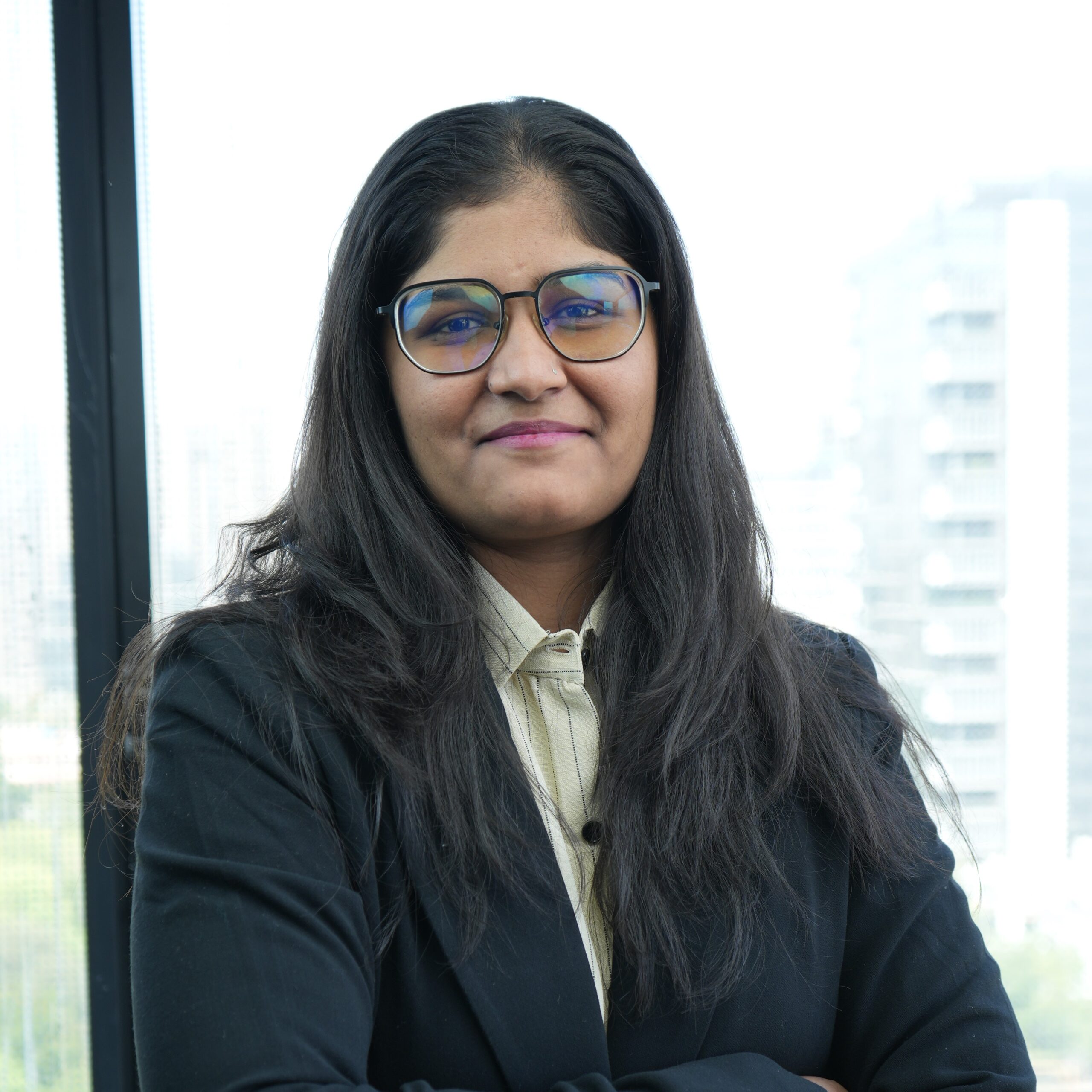
Megha Joshi is a Research Analyst at inXits with 2.5 years of focused experience in equity markets. She conducts in-depth stock research and market analysis to support data-backed investment decision-making for clients.