 AI Summary
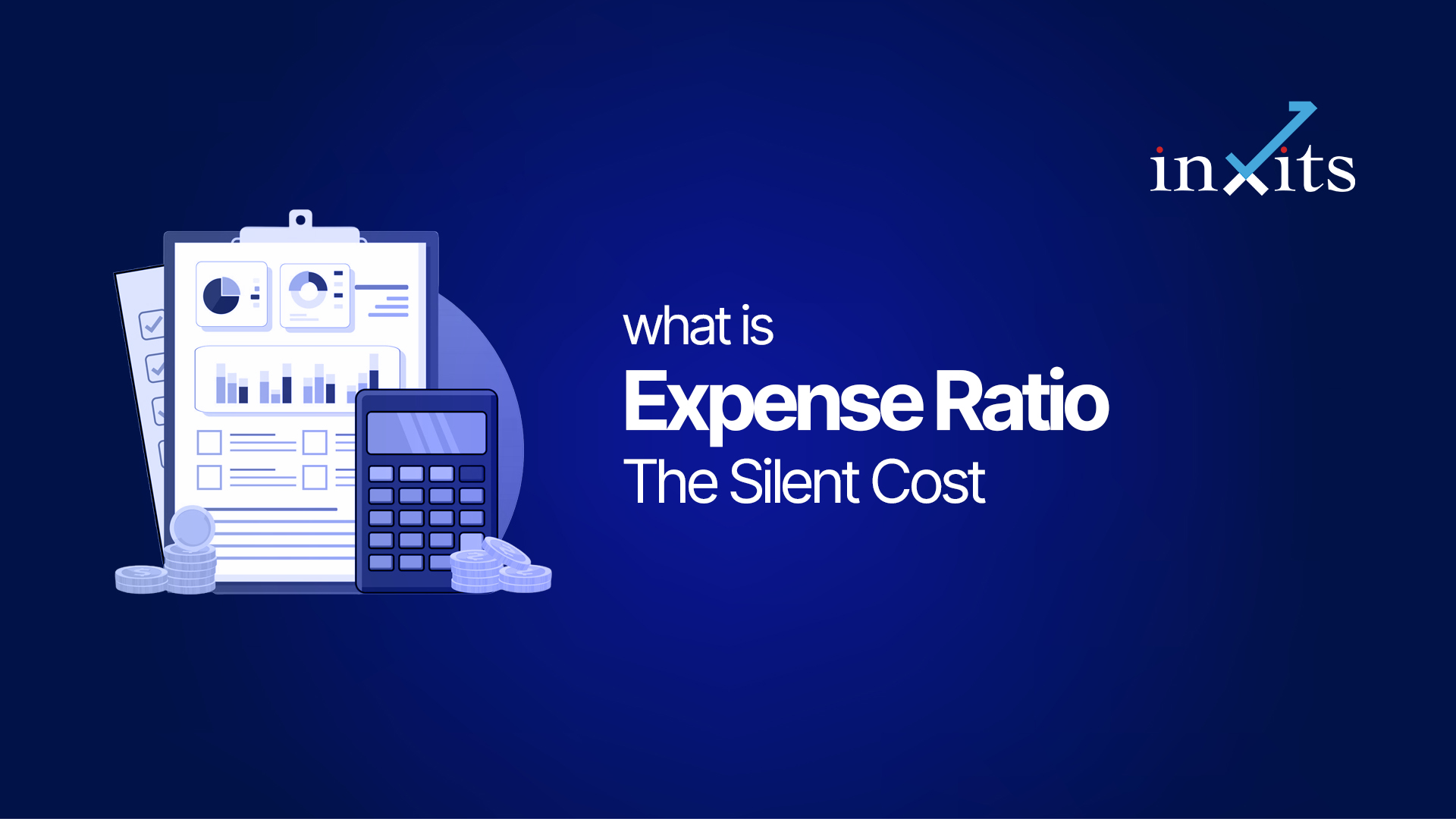
The expense ratio is a small but important cost that mutual funds charge for managing investments, and while it may seem insignificant in the short term, it can meaningfully impact long-term returns through compounding. The article explains that expense ratios are deducted from a fund’s NAV and cover costs such as fund management, research, administration, and distribution. It also highlights the difference between direct and regular plans, where direct plans typically have lower expense ratios due to the absence of distributor commissions. The key takeaway is that investors should not focus solely on returns but also evaluate costs, as even small differences in expense ratios can affect wealth creation over time, especially for long-term SIP investors.
You start a SIP. You stay consistent. You think long term.
Everything seems right on paper. But years later, your actual returns feel slightly lower than expected. Not dramatically wrong, just quietly different.
This gap often comes from something most investors rarely pay attention to. The expense ratio. It is not charged separately, but adjusted within NAV. But over time, it can influence your overall outcome more than you realise.
Before you read on:
- Expense ratio is a yearly cost charged by mutual funds
- Even small percentages can compound over time
- It reduces the NAV daily, which in turn reduces your effective returns.
- Understanding it helps compare investment options better
On this page
What Is Expense Ratio in Simple Terms?
Expense ratios are regulated by SEBI, which sets upper limits based on fund size to manage your investment.
This includes fund management fees, administrative costs, distribution expenses, and other operational charges. Instead of being charged separately, it is adjusted within the fund’s Net Asset Value.
In India, expense ratio is also referred to as TER (Total Expense Ratio), and TER mutual funds India disclosures are standardised for investor transparency.
How Does Expense Ratio Actually Affect Your Returns?
At first glance, a difference of 0.5% or 1% may not seem significant. But over time, it adds up.
Assumption vs Reality
What most investors assume:
A slightly higher expense ratio does not make much difference.
What actually happens:
Expense ratio is deducted every year, which means it reduces the base on which your future returns are calculated.
Why this matters:
Over long investment horizons, even small differences in cost can lead to noticeable differences in final corpus.
A Simple Way to Understand the Impact
Imagine two funds delivering similar gross returns.
Here is a simple expense ratio example to understand the impact:
| Scenario | Fund A | Fund B |
| Gross Return | 12% | 12% |
| Expense Ratio | 1% | 2% |
| Net Return | 11% | 10% |
Over one year, the difference seems small. Over 10 or 15 years, the gap becomes more visible because compounding works on the reduced return.
This is especially relevant for long-term investors using SIPs. If you want to understand how compounding plays out over time, reading about SIP of ₹10,000 per month for 10 years can help you visualise the difference.
Why Do Mutual Funds Charge Expense Ratio?
Running a mutual fund involves multiple costs.
These include:
- Fund manager salaries
- Research and analysis
- Administrative operations
- Compliance and regulatory costs
- Distribution and marketing expenses
Different funds may have different expense ratios depending on how they are structured and managed.
These costs are subject to expense ratio SEBI limit guidelines, which cap how much fund houses can charge investors.
If you are exploring how mutual funds function at a deeper level, understanding the role of AMCs and SEBI in mutual funds can give you more clarity on why these costs exist.
Direct vs Regular Plans: Why Expense Ratio Differs
This is where many investors get confused.
Direct Plans
These are purchased without a distributor. They usually have a lower expense ratio because there are no commission costs.
Regular Plans
These are purchased through an intermediary. The expense ratio is higher because it includes distributor commissions.
If you want to explore this difference in detail, understanding direct vs regular mutual funds can help you compare how costs vary.
Invest Smarter.
Grow Confidently.
Your AI-powered SEBI-registered investment advisor — with research you can trust and insights that grow with you.
Download inXits Free
A Real-Life Scenario
Consider Ankit, a 35-year-old professional in Ahmedabad. He has been investing ₹20,000 monthly through SIPs for the past five years.
He never paid much attention to expense ratio. His focus was mainly on past returns.
Later, while reviewing his portfolio, he realised that some of his funds had significantly higher expense ratios compared to similar alternatives. This did not mean those funds were wrong, but it made him question whether the cost justified the structure.
When he started understanding cost structures, including insights from extra return direct mutual funds, he began evaluating his investments more carefully.
Should You Always Choose the Lowest Expense Ratio?
This is where clarity matters.
A lower expense ratio is generally better, but it should not be the only deciding factor.
What to consider alongside expense ratio:
- Fund strategy and category
- Consistency of performance across cycles
- Risk level and volatility
- Alignment with your financial goals
For example, actively managed funds may have higher expense ratios because they involve research and decision-making efforts. Index funds usually have lower costs because they track a benchmark.
When Does Expense Ratio Matter the Most?
Expense ratio becomes more important in certain situations:
- Long-term investments, where compounding amplifies cost differences
- Large investment amounts, where even small percentage differences add up
- SIP-based investing, where cost applies continuously over time
If you are building a long-term portfolio, understanding cost structures becomes part of making informed decisions, not just chasing returns.
Have a specific question about how expense ratio affects your portfolio returns? Not sure if your funds are costing you more than they should? Get a free portfolio cost analysis with inXits. — a conversation with a qualified advisor, no forms, no wait.
What Is a Good Expense Ratio in India?
A “good” expense ratio depends on the type of mutual fund you are investing in. Since different funds follow different strategies, their cost structures also vary.
Here is a general benchmark investors often consider:
- Index funds: 0.1% – 0.5%
These funds track a benchmark and usually have lower costs due to passive management. - Active funds: 1% – 2%
These involve research, fund manager decisions, and active allocation, which increases costs.
It is important to compare expense ratios within the same category rather than across different types of funds. A slightly higher expense ratio may be acceptable if the fund consistently delivers value after costs.
How inXits Helps You Evaluate Costs Clearly
Understanding expense ratio in isolation can feel confusing. It is one piece of a larger puzzle that includes returns, risk, and financial goals.
At inXits, advisors help investors evaluate whether the cost structure of their investments aligns with their overall portfolio strategy. Instead of focusing only on numbers, the approach connects cost to long-term financial outcomes.
What Should You Focus On Next?
Knowing what expense ratio is helps you ask better questions.
Understanding how it fits into your portfolio is what actually helps you make decisions.
At inXits, a financial advisor works with you to align your investments with your goals, risk profile, and time horizon. speak to an investment advisor
Conclusion
Expense ratio may seem like a small detail, but it plays a consistent role in shaping your investment outcome.
It quietly reduces returns year after year, which makes it important to understand rather than ignore. At the same time, it should be evaluated along with other factors like risk, strategy, and long-term goals.
A balanced approach helps you move beyond just looking at returns and start understanding what you actually keep over time. This is where clarity around expense ratio becomes meaningful for long-term financial planning.
Disclaimer
Investments in securities markets are subject to market risks. Read all related documents carefully before investing.
inXits is a SEBI-registered investment adviser (Registration No. INA000020369). This article is for educational purposes only and does not constitute personalised investment advice.
Registration granted by SEBI, membership of BSE, and certification from NISM in no way guarantee performance of the intermediary or provide any assurance of returns to investors.
Optimize Your Mutual Fund Costs
Get Cost Analysis
Himani Barot, CFP, is a Principal Officer at inXits with 4+ years of experience in portfolio management, investment advisory, and comprehensive financial planning. As a Certified Financial Planner, she helps clients navigate complex financial goals with structured, personalised strategies.
FAQs
What is the expense ratio in mutual funds?
Expense ratio meaning refers to the annual fee charged by a mutual fund to manage your investment.
How does expense ratio affect returns?
It reduces your net returns because the cost is deducted from the fund’s overall performance.
Is a lower expense ratio always better?
Lower cost is generally beneficial, but it should be considered along with fund strategy, risk, and long-term consistency.
What is a good expense ratio in India?
It varies by fund type, but generally lower expense ratios are preferred when all other factors are similar.
What is the difference between direct and regular mutual funds?
Direct funds have lower expense ratios as they do not include distributor commissions, while regular funds include those costs.
Do all mutual funds have an expense ratio?
Yes, all mutual funds charge an expense ratio, though the percentage may differ.
Who regulates expense ratio in India?
SEBI regulates expense ratios and sets limits on how much mutual funds can charge.
Can expense ratio change over time?
Yes, mutual fund houses can revise expense ratios within SEBI guidelines.